TT
The New York Times
Praised the film as containing "one of the best screen tricks ever incorporated in a comedy".
Loading...
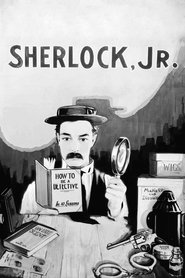
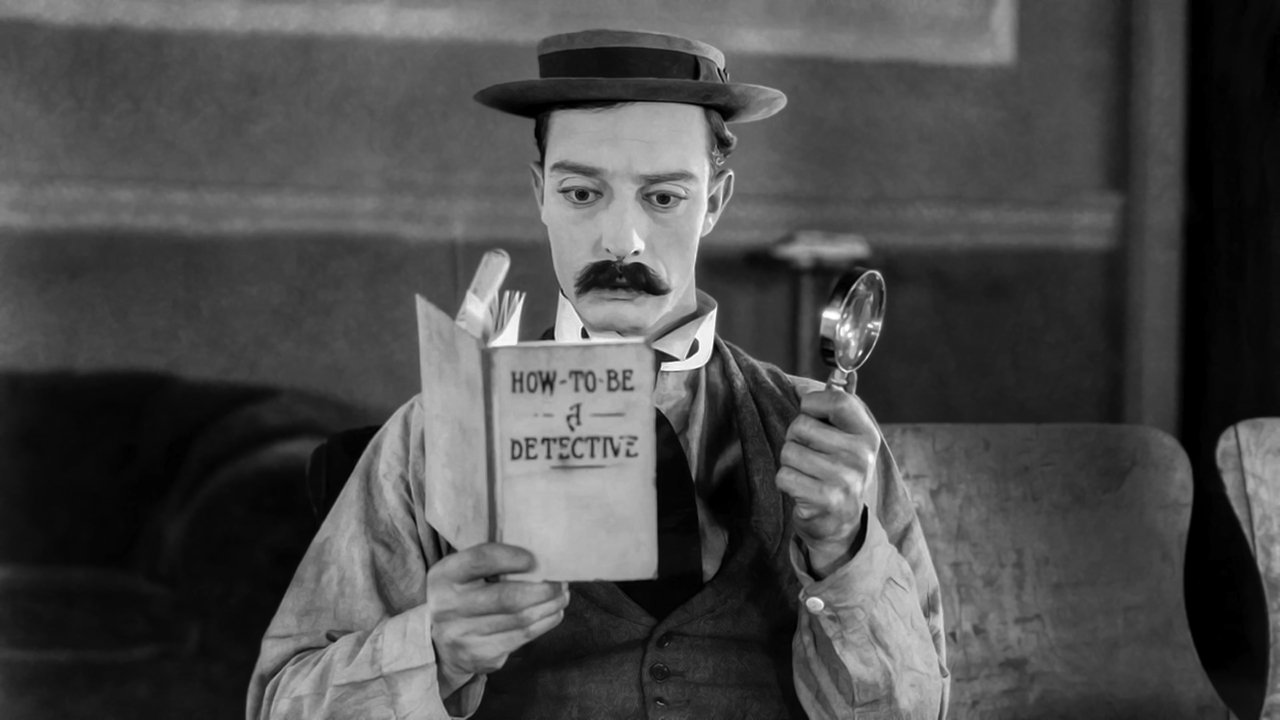
A film projectionist longs to be a detective, and puts his meager skills to work when he is framed by a rival for stealing his girlfriend's father's pocketwatch.
Initially receiving mixed reviews, Sherlock Jr. was praised for its innovative comedy and later widely recognized as a brilliant, groundbreaking film, selected for preservation in the National Film Registry.

Buster Keaton
Projectionist / Sherlock, Jr.
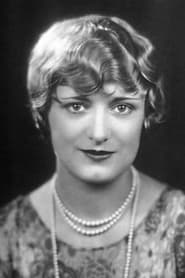
Kathryn McGuire
Girl
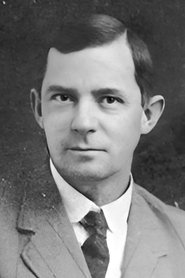
Joe Keaton
Girl's Father / Man on Film Screen
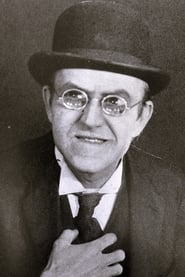
Erwin Connelly
Hired Man / Butler
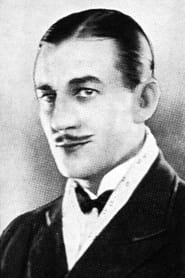
Ward Crane
Sheik / Villain

Doris Deane
Girl Who Loses Dollar Outside Cinema (uncredited)
Christine Francis
Candy Store Girl (uncredited)
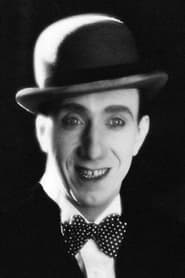
George Davis
Conspirator (uncredited)
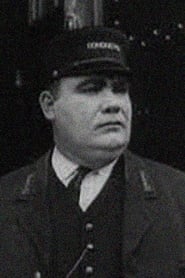
Kewpie Morgan
Conspirator (uncredited)
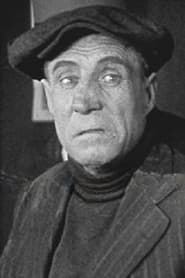
Steve Murphy
Conspirator (uncredited)
Keaton initially hired Roscoe "Fatty" Arbuckle as co-director under the pseudonym "William Goodrich" due to Arbuckle's career being stalled by a rape accusation scandal.
Buster Keaton unknowingly broke his neck during a stunt in Sherlock Jr., a fracture that was only discovered by a doctor nine years later in 1935.
The film features an early example of a film-within-a-film where Keaton's character walks into the movie being screened, achieved using unique lighting and precise positioning.
Filming took four months and editing also took longer than typical for Keaton, who usually finished a feature film in two months.
Sherlock Jr. was a major influence on Woody Allen's The Purple Rose of Cairo, featuring a character walking out of a movie and into real life.
0 reviews
Avg: 0.0 / 5
The New York Times
Praised the film as containing "one of the best screen tricks ever incorporated in a comedy".
Photoplay
Called the film "rare and refreshing".
Picture Play
Criticized the film for being devoid of "ingenuity and originality".
Variety
Found the film unfunny, remarking it was as humorous as "a hospital operating room".
Edmund Wilson (The New Republic)
Criticized Keaton's performance for lack of character development and the film's over-reliance on "machinery and stunts".
James Agee (The Nation)
Considered it "about a hundred times as funny as anything made today," praising its cinematography and a specific chase gag.
Dwight Macdonald (On Movies)
Lauded its sophisticated premise and groundbreaking use of the film medium, suggesting it surpassed later surrealist works.
Time
Named it one of the All-Time 100 Movies, calling it an "impeccable silent comedy" and a "great example of American minimalism".
David Thomson
Declared Sherlock Jr. Keaton's "masterpiece" and "the most philosophically eloquent of silent comedies".
Rotten Tomatoes
Reported an 86% approval, noting it showcases Keaton's brilliance and is well worth a watch, despite some limitations.
Loading reviews...