MT
Mordaunt Hall, The New York Times
Lauded the film upon its 1925 release, fitting into the general critical praise the movie received.
Loading...
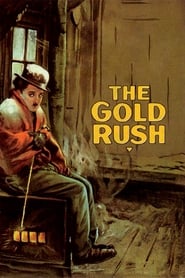
A gold prospector in Alaska struggles to survive the elements and win the heart of a dance hall girl.
The Gold Rush was critically acclaimed upon its release and continues to be regarded as one of Chaplin's most celebrated works, frequently appearing on 'greatest films' lists and selected for preservation due to its cultural, historical, and aesthetic significance.
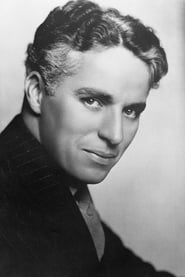
Charlie Chaplin
The Lone Prospector
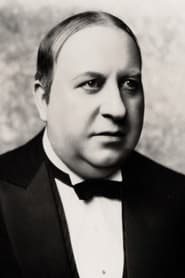
Mack Swain
Big Jim McKay
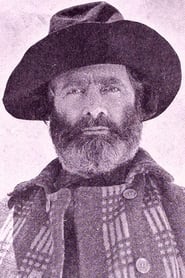
Tom Murray
Black Larsen
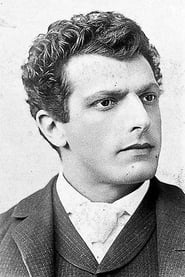
Henry Bergman
Hank Curtis

Malcolm Waite
Jack Cameron
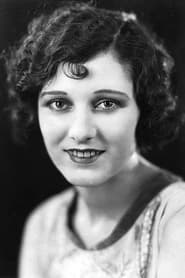
Georgia Hale
Georgia
Jack Adams
Man in Dance Hall (uncredited)
Frank Aderias
Eskimo Child (uncredited)
Leona Aderias
Eskimo Child (uncredited)
Lillian Adrian
Woman in Dance Hall (uncredited)
Charlie Chaplin was inspired by photographs of the Klondike Gold Rush and the Donner Party's struggle with cannibalism or eating leather, combining these dark themes with comedy.
In 1942, Chaplin re-released The Gold Rush with sound effects, music, and narration, earning it Academy Award nominations for Best Music Score and Best Sound Recording.
The Gold Rush was voted number 2 on the Brussels 12 list at the 1958 World Expo, just five votes behind Battleship Potemkin.
The original 1925 version of The Gold Rush entered the public domain in the United States in 1953 due to a failure to renew its copyright registration.
Lita Grey, whom Chaplin married in November 1924, was originally cast as the leading lady but was replaced by Georgia Hale due to Grey's pregnancy.
0 reviews
Avg: 0.0 / 5
Mordaunt Hall, The New York Times
Lauded the film upon its 1925 release, fitting into the general critical praise the movie received.
Variety
Hailed as the "greatest and most elaborate comedy ever filmed," predicted to be a long-standing hit in its field.
The New Yorker
Gave a mixed review, finding the dramatic and slapstick elements uneven and suggesting Chaplin was less funny; included it in their 1925 top ten list.
Manny Farber, The New Republic
Praised Chaplin's genius for transforming absurd scenarios into significant, emotionally resonant human moments through his pantomime.
Loading reviews...