
V
Variety
Called "far from funny" and a "flop," noting its poor box office compared to other films then playing at the same theater.
Loading...
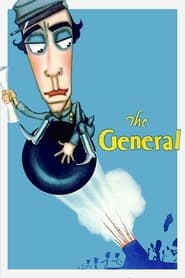
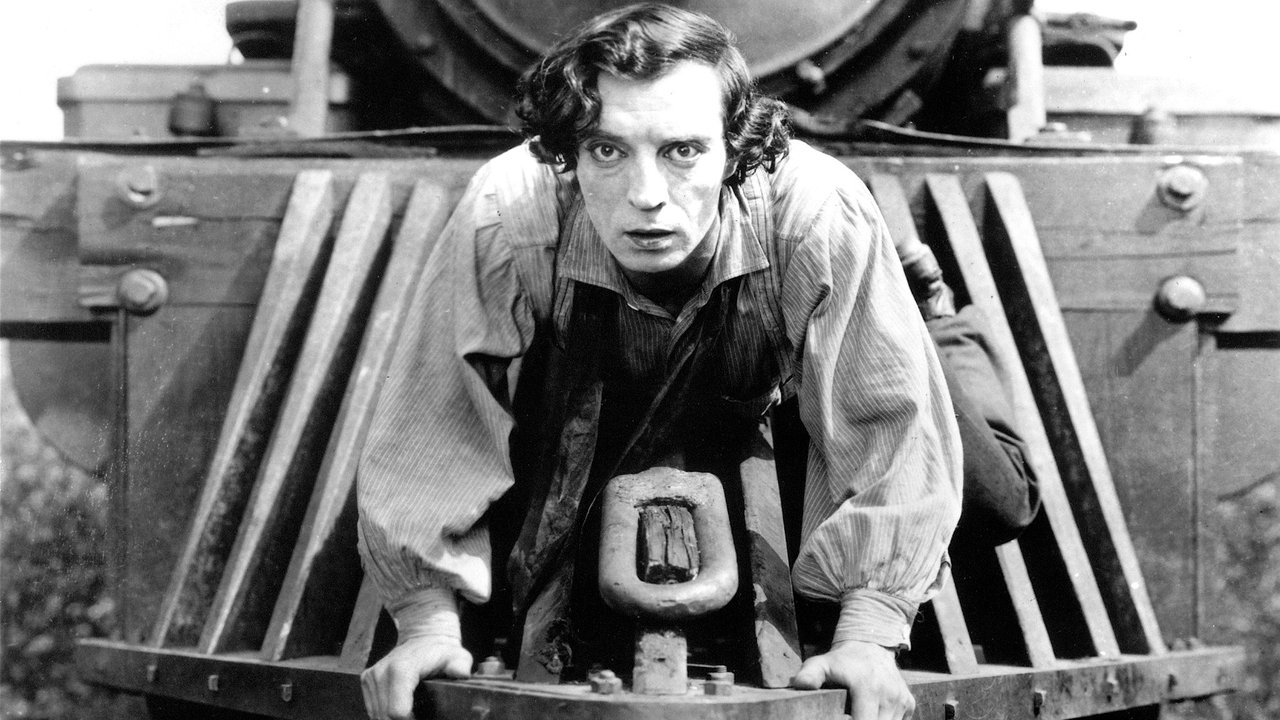
During America’s Civil War, Union spies steal engineer Johnny Gray's beloved locomotive, 'The General'—with Johnnie's lady love aboard an attached boxcar—and he single-handedly must do all in his power to both get The General back and to rescue Annabelle.
Upon its initial release, The General was largely not well received by critics and audiences, resulting in mediocre box office returns, with many critics finding it unfunny. Over time, however, it has come to be regarded as one of the greatest films ever made.
Despite a huge budget of $750,000, "The General" was not well received by critics and audiences at its initial release, leading to Buster Keaton losing his independence as a filmmaker.
Over time, "The General" was re-evaluated by critics and filmmakers and is now considered one of the greatest films ever made, leading to its preservation in the National Film Registry in 1989.
Keaton's request to use the real-life locomotive "The General" was denied by the railway, who disapproved of it being a comedy, leading to the production buying three vintage locomotives.
The film's budget reportedly swelled to $1 million due to extensive construction, numerous on-set accidents, and fires caused by the train's wood-burning engine.
For the climactic train wreck scene, Cottage Grove declared a holiday, drawing thousands of spectators, and the locomotive wreckage became a tourist attraction for almost 20 years.
0 reviews
Avg: 0.0 / 5
Variety
Called "far from funny" and a "flop," noting its poor box office compared to other films then playing at the same theater.
The New York Times (Mordaunt Hall)
Mordaunt Hall found the production well-mounted but lacking in humor, stating it was not as good as Keaton's previous efforts.
The Los Angeles Times
Criticized for being neither pure comedy nor thrilling drama, and for a "terribly dragging" and "tiresome" chase sequence.
Motion Picture Classic
Described it as a "mild Civil War comedy" that failed to meet Buster Keaton's usual high standards.
New York Herald Tribune
Characterized the film as "long and tedious" and Buster Keaton's least humorous effort to date.
Robert E. Sherwood
Argued that deriving laughter from men being killed in battle was difficult and an inappropriate basis for comedy.
Brooklyn Eagle
Provided a generally favorable review of the film.
Loading reviews...