

AG
Aaron Gerow
Despite cultural bias against domestic films, it was regarded as one of the few Japanese productions of its era comparable in quality to foreign cinema.
Loading...

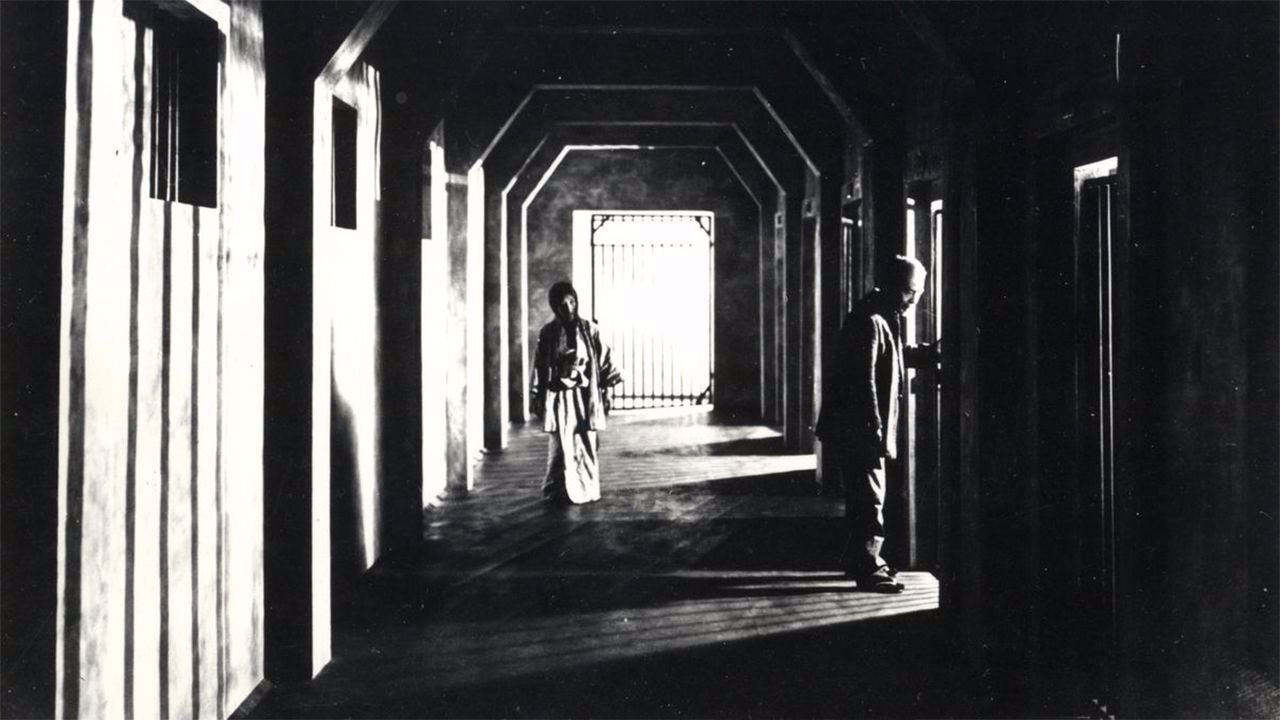
A man takes a job at an asylum with hopes of freeing his imprisoned wife.
Upon its 1926 release, 'A Page of Madness' garnered impressive commercial success. Film scholar Aaron Gerow notes that it was considered one of the few contemporary Japanese films comparable to foreign productions, despite not having a significant influence on other filmmakers.
The film was lost for 45 years until it was rediscovered by director Teinosuke Kinugasa in his storehouse in 1971.
A Page of Madness was created by an avant-garde group of Japanese artists, the Shinkankakuha, who aimed to move beyond naturalistic representation.
Yasunari Kawabata, the 1968 Nobel Prize winner for Literature, received credit for the original story of the film.
Although often cited as the sole screenwriter, the scenario for the film is now considered a collaboration among Yasunari Kawabata, Teinosuke Kinugasa, Banko Sawada, and Minoru Inuzuka.
Eiji Tsuburaya is credited as an assistant cameraman on A Page of Madness.
0 reviews
Avg: 0.0 / 5
Aaron Gerow
Despite cultural bias against domestic films, it was regarded as one of the few Japanese productions of its era comparable in quality to foreign cinema.
Loading reviews...