



KT
Kenneth Turan, Los Angeles Times
Praised a 2013 DCP version as the "most-complete-ever version" at 111 minutes, highlighting its significance for preservation.
Loading...
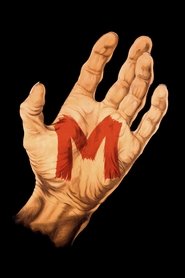
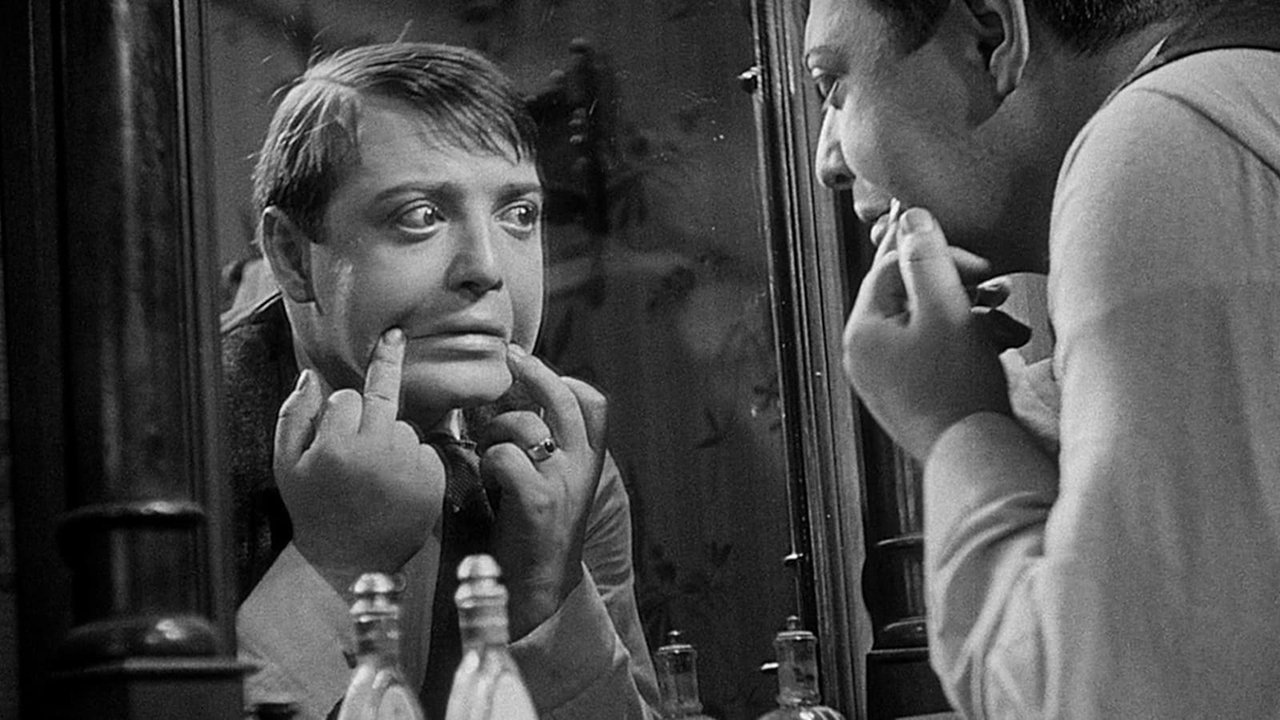
In this classic German thriller, Hans Beckert, a serial killer who preys on children, becomes the focus of a massive Berlin police manhunt. Beckert's heinous crimes are so repellant and disruptive to city life that he is even targeted by others in the seedy underworld network. With both cops and criminals in pursuit, the murderer soon realizes that people are on his trail, sending him into a tense, panicked attempt to escape justice.
M is widely considered one of the greatest films of all time and a significant influence on crime and thriller fiction, praised for its cinematic innovations, deep psychological insights, and enduring character portrayals.
Fritz Lang's production of "M" faced early hurdles when the Nazi Party suspected the film, originally titled "Murderer Among Us," was meant to depict them, leading to denial of studio space.
For authenticity, Fritz Lang used several real criminals as extras in the film, and 25 cast members were eventually arrested during the film's shooting.
As Fritz Lang's first sound film, "M" was innovative, famously using a musical leitmotif for the lead character's whistling, which was dubbed because actor Peter Lorre could not whistle.
Fritz Lang considered "M" his magnum opus, and it is widely regarded as one of the greatest films of all time and an indispensable influence on modern crime and thriller fiction.
A scene from Fritz Lang's "M" was controversially used in the 1940 Nazi propaganda movie "The Eternal Jew", showcasing its unusual cultural impact.
0 reviews
Avg: 0.0 / 5
Kenneth Turan, Los Angeles Times
Praised a 2013 DCP version as the "most-complete-ever version" at 111 minutes, highlighting its significance for preservation.
Variety
Found the film to be "a little too long," noting repetitions and slow scenes, and suggested that cutting could improve its effect.
Marc Savlov, Austin Chronicle
Awarded five stars, calling it "One of the greatest of all German Expressionistic films" and praising its cinematography, sound, and Lorre's performance.
Roger Ebert
Added the film to his "Great Movies" list, citing Lang's limited use of dialogue as a key to its success and seeing characters as reflections of Lang's distaste for Germany.
Taste of Cinema
Ranked the film 18th among the "30 Great Psychopath Movies That Are Worth Your Time," recognizing its lasting impact.
Paste
Ranked the character 1st among "the best portrayals of cinematic sociopaths," highlighting the performance's excellence.
Graham Greene
Compared the film to looking through a microscope at a "tangled mind," exposing complex emotions and psychological depth.
Loading reviews...