V
Variety
Praised its interesting storytelling, science-fiction appeal, suspense, and effective cast, despite occasional moralistic wordiness.
Loading...
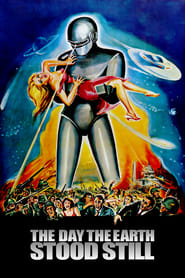
An alien and a robot land on Earth after World War II and tell mankind to be peaceful or face destruction.
The film received generally positive critical reception, with many reviewers praising its serious tone, engaging narrative, and special effects. It was also moderately successful at the box office.
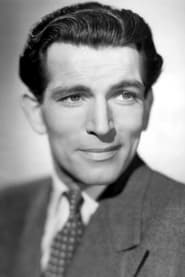
Michael Rennie
Klaatu, alias Mr. Carpenter

Patricia Neal
Helen Benson
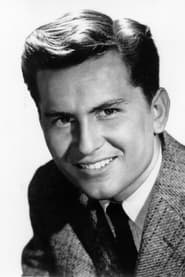
Billy Gray
Bobby Benson

Sam Jaffe
Prof. Jacob Barnhardt
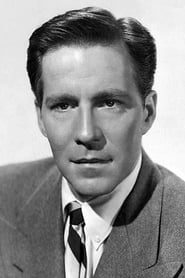
Hugh Marlowe
Tom Stevens
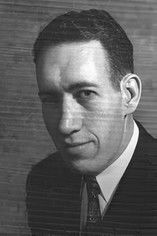
Lock Martin
Gort
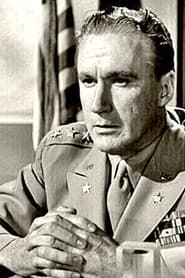
Freeman Lusk
General Cutler
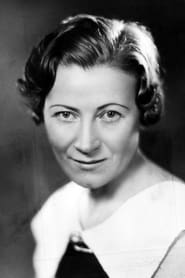
Edith Evanson
Mrs. Crockett, landlady
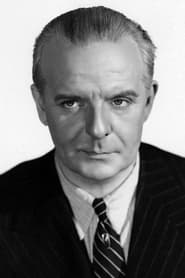
Frank Conroy
Mr. Harley, Secretary to the President
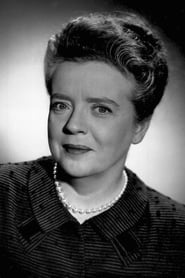
Frances Bavier
Mrs. Barley, boarder
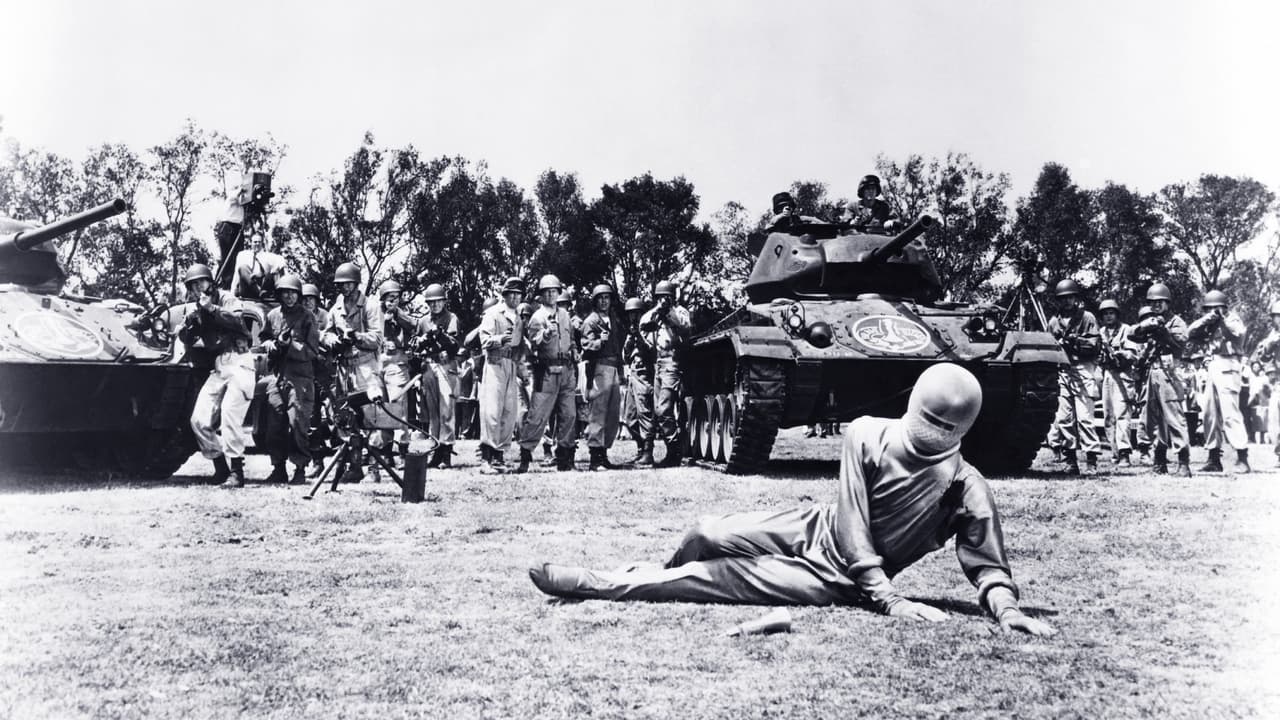
The spacecraft's design involved collaboration with architect Frank Lloyd Wright, and astrophysicist Samuel Herrick from UCLA developed the equations for Prof. Barnhardt's blackboard.
The United States Department of Defense refused to participate in the film after reading the script, although the 3rd Armored Cavalry Regiment supplied military equipment and soldiers.
The seven-foot-seven-inch robot Gort was played by Lock Martin, an usher whose on-screen shooting time was limited to half-hour intervals due to his weak constitution and the cumbersome suit.
Composer Bernard Herrmann utilized the theremin in the film's score, marking an early foray into electronic music a year before Karlheinz Stockhausen and three years before Edgard Varèse.
The iconic phrase "Klaatu barada nikto" was created by screenwriter Edmund H. North, and producer's widow Florence Blaustein suggested it originated from a street called Baroda.
0 reviews
Avg: 0.0 / 5
Variety
Praised its interesting storytelling, science-fiction appeal, suspense, and effective cast, despite occasional moralistic wordiness.
Harrison's Reports
Called it "very good" and "by far the best" sci-fi film produced, praising its engaging nature, expert handling, and fine special effects.
The Los Angeles Times
Praised the film's seriousness, although it also noted the presence of "certain subversive elements."
Pierre Kast (Cahiers du Cinéma)
Described the film as "almost literally stunning" and commended its exploration of "moral relativism."
Loading reviews...