



FT
Frank S. Nugent of The New York Times
Praised it as an ambitious production and an "interesting story beautifully told," despite not considering it the greatest film ever made.
Loading...
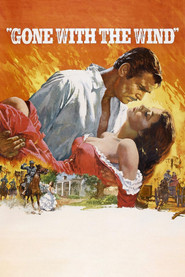
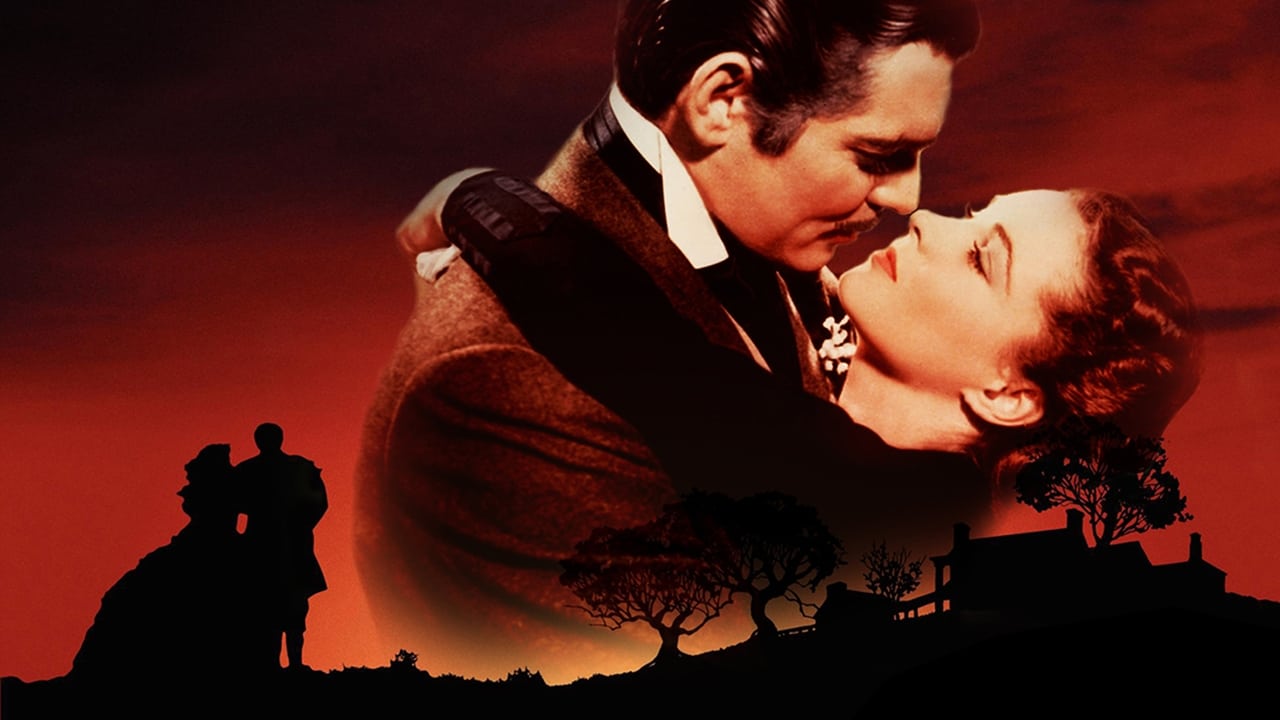
The spoiled daughter of a Georgia plantation owner conducts a tumultuous romance with a cynical profiteer during the American Civil War and Reconstruction Era.
Gone with the Wind initially received generally positive reviews, with praise for its casting, production values, and ambition, though its length was a common criticism. Later analyses highlighted artistic shortcomings and controversial historical portrayals.
The start of filming was delayed for two years until January 1939 because producer David O. Selznick was determined to secure Clark Gable for the role of Rhett Butler.
The role of Scarlett O'Hara was challenging to cast, and 1,400 unknown women were interviewed for the part.
The original director, George Cukor, was fired shortly after filming began and was replaced by Victor Fleming, who was briefly replaced by Sam Wood due to exhaustion.
Hattie McDaniel became the first African American to win an Academy Award, receiving Best Supporting Actress for her role in the film.
When adjusted for monetary inflation, Gone with the Wind is still the highest-grossing film in history.
0 reviews
Avg: 0.0 / 5
Frank S. Nugent of The New York Times
Praised it as an ambitious production and an "interesting story beautifully told," despite not considering it the greatest film ever made.
Franz Hoellering of The Nation
Considered it a major industry event but a minor artistic achievement, criticizing its lengthy "spectacular efficiency," unconvincing drama, and weak second half.
John C. Flinn for Variety
Suggested the film would benefit from trimming "repetitious scenes and dialog," but praised Clark Gable's performance and highlighted Olivia de Havilland as a "standout."
Arthur M. Schlesinger Jr.
Believed the film had not aged well, losing its epic theme in unconvincing sentimentality as personal lives took over the second half.
Richard Schickel
Argued the film lacked memorable imagery and dialogue, suggesting it was "badly written" with "flowery" dialogue, making it largely forgettable.
Stanley Kauffmann
Found the film largely forgettable, stating he could only recall two scenes vividly from the entire experience.
Carlton Moss
Characterized it as a "rear attack" on history and "Negro people," a "nostalgic plea" for Southern reaction, criticizing its stereotypical black portrayals.
Melvin B. Tolson
Called the film a "subtle lie" that would be mistakenly accepted as truth by millions due to its insidious misrepresentation of history.
Walter Francis White (NAACP leader)
Criticized Hattie McDaniel's character, Mammy, and the film's racial implications, accusing McDaniel of being an "Uncle Tom."
Loading reviews...