
VM
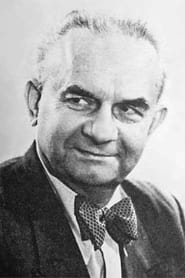
Vladimir Mayakovsky
Mayakovsky protested Nikandrov's portrayal of Lenin as artificial and empty, likening it to a statue and finding it disgusting.
Loading...
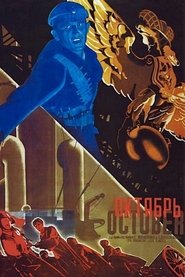
Sergei M. Eisenstein's docu-drama about the 1917 October Revolution in Russia. Made ten years after the events and edited in Eisenstein's 'Soviet Montage' style, it re-enacts in celebratory terms several key scenes from the revolution.
The film received a mixed reception, facing initial official disapproval and a lack of popular success in the Soviet Union due to its "formalism." However, later film historians recognized it as an immensely rich and powerful historical epic, showcasing Eisenstein's artistry.
October: Ten Days That Shook the World is a 1928 Soviet silent propaganda film commissioned for the tenth anniversary of the 1917 October Revolution.
The film was originally released in the Soviet Union as October but was re-edited and released internationally as Ten Days That Shook The World, named after John Reed's book.
The film's depiction of the storming of the Winter Palace became the accepted historical portrayal due to a lack of documentation of the actual event.
Almost no professional actors were employed in October; for instance, Lenin was played by a cement factory worker.
Director Sergei Eisenstein used October to further his theory of 'intellectual montage,' editing disparate shots to provoke intellectual comparisons.
0 reviews
Avg: 0.0 / 5
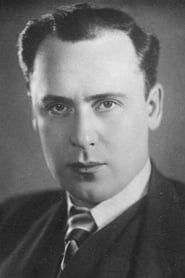
Vladimir Mayakovsky
Mayakovsky protested Nikandrov's portrayal of Lenin as artificial and empty, likening it to a statue and finding it disgusting.
Soviet authorities
Authorities disapproved of Eisenstein's montage experiments, deeming the film unintelligible to the masses and criticizing its excessive "formalism."
The Spectator (Graham Greene)
Greene gave a neutral review, describing its pacing as "restless" and praising the vivid, impressionistic details as observations only a participant could convey.
Vsevolod Pudovkin
Pudovkin admired the film's power, remarking he would like to make "such a powerful failure," acknowledging its artistic strength despite its lack of success.
Loading reviews...
