RE
Roger Ebert
Noted that despite the staged elements and lack of documentary rules at the time, the film is an authentic masterpiece that shows the creation of itself.
Loading...

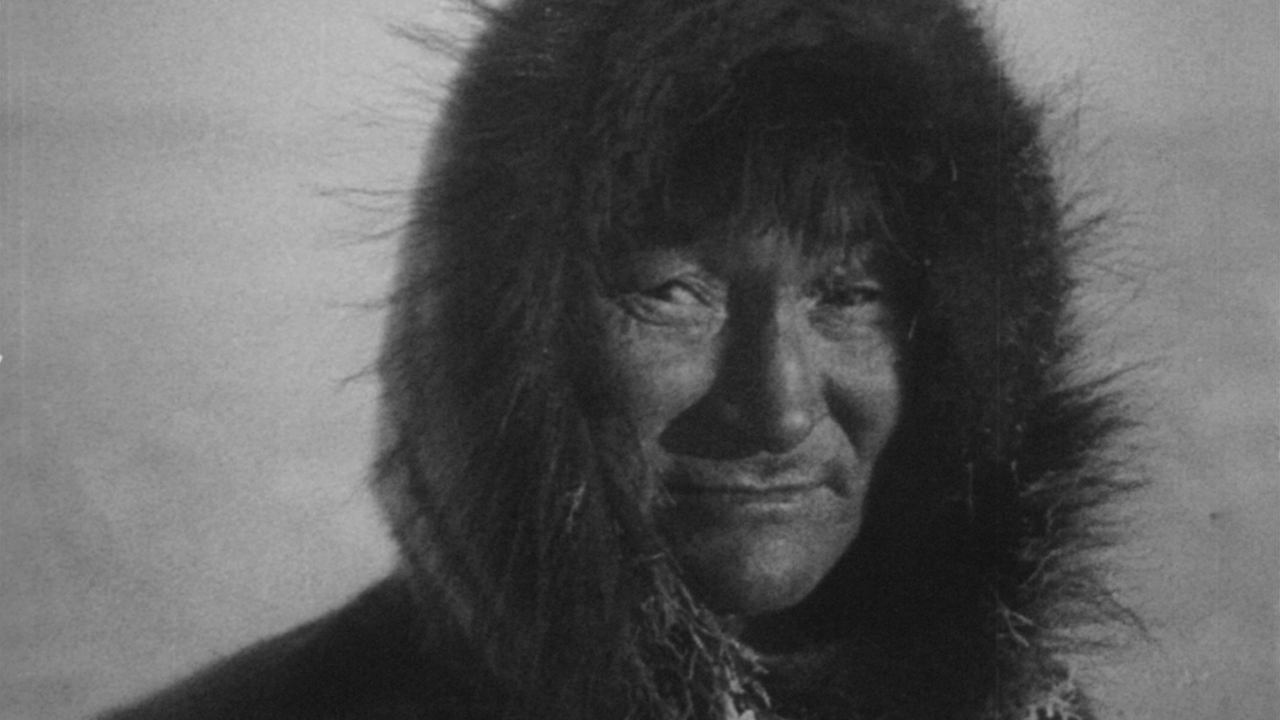
This pioneering documentary film depicts the lives of the indigenous Inuit people of Canada's northern Quebec region. Although the production contains some fictional elements, it vividly shows how its resourceful subjects survive in such a harsh climate, revealing how they construct their igloo homes and find food by hunting and fishing. The film also captures the beautiful, if unforgiving, frozen landscape of the Great White North, far removed from conventional civilization.
Nanook of the North is universally hailed as a pioneering milestone in documentary filmmaking. While modern critics frequently debate the ethics of its heavily staged docudrama elements, the film remains widely praised for its stark, mesmerizing cinematography and its vital historical preservation of Inuit culture and survival against the elements.
Nanook of the North is widely considered the first feature-length documentary to achieve commercial success, though it incorporates many staged docudrama elements.
The original 30,000 feet of film shot by Flaherty was lost in 1916 when he accidentally dropped a lit cigarette onto the highly flammable nitrate film stock.
Interior igloo scenes were filmed in a special half-igloo designed by Flaherty to allow sufficient sunlight for his bulky camera, as traditional igloos were too small and dark.
The film's protagonist, Allakariallak, was renamed 'Nanook' (meaning 'polar bear' in Inuktitut) by Flaherty for marketability.
The women portrayed as Nanook's wives in the film were not actually his wives, but were reportedly Flaherty's common-law wives.
Flaherty encouraged Allakariallak to hunt using traditional methods, like a harpoon, despite the fact that Inuit hunters at the time were already using rifles.
The film was selected for preservation in the United States National Film Registry in 1989 for being 'culturally, historically, or aesthetically significant'.
0 reviews
Avg: 0.0 / 5
Roger Ebert
Noted that despite the staged elements and lack of documentary rules at the time, the film is an authentic masterpiece that shows the creation of itself.
Sight & Sound
Voted the 7th greatest documentary of all time in their 2014 critics' poll.
Loading reviews...