



F
Filmfare
Described it as a 'history-making film' and a 'landmark' for its grandeur and performances.
Loading...
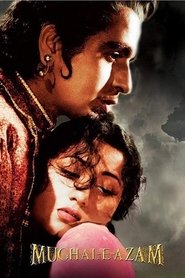
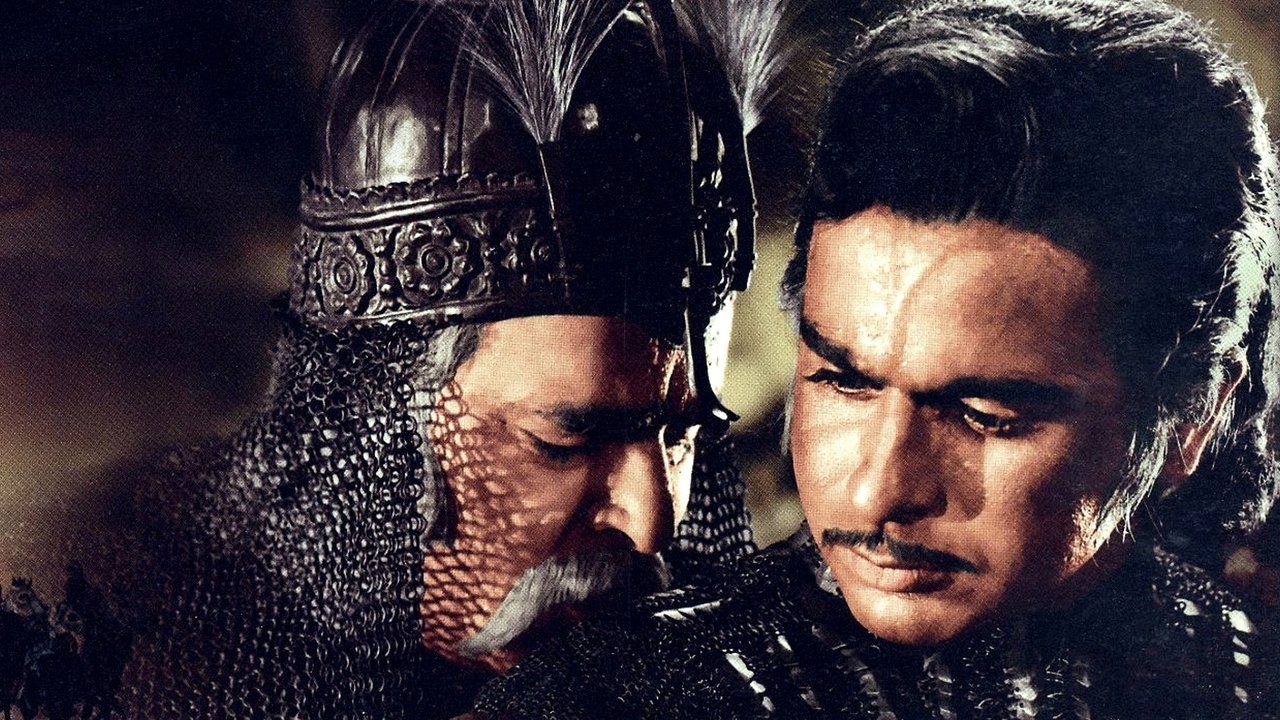
In the 16th century, when Prince Salim falls in love with a beautiful courtesan named Anarkali, Emperor Akbar's disapproval leads to a battle between father and son.
Mughal-e-Azam received universal acclaim from critics, consistently described as a benchmark and milestone in Indian cinema for its visual and emotional grandeur.
The song 'Pyar Kiya To Darna Kya' reportedly underwent 105 drafts before being finalized.
Director K. Asif used a pure gold statue of Lord Krishna in several scenes to showcase the opulence of the Mughal Empire.
The Sheesh Mahal (Palace of Mirrors) set took over two years to build and used glass imported from Belgium.
Ustad Bade Ghulam Ali Khan was paid a ridiculously high fee (₹25,000) to sing for the film, far exceeding the standard ₹1,000-₹2,000.
Madhubala suffered from a heart condition during filming and often had to work while strapped to heavy chains in certain scenes.
It was the first black-and-white Hindi film to be fully digitally colorized and given a theatrical re-release.
The film was in development for nearly 16 years, starting in 1944.
0 reviews
Avg: 0.0 / 5
Filmfare
Described it as a 'history-making film' and a 'landmark' for its grandeur and performances.
Laura Bushell (BBC)
Rated it four out of five stars, calling it a 'benchmark film' for cinema grandeur.
Dinesh Raheja (Rediff)
Deemed it a 'must-see classic' and a 'work of art' for its epic sweep and tender romance.
Loading reviews...