

JP
Jean Pascal
Called the original cut "a confused, incoherent, willfully absurd, long, dull, commercially worthless film" after a preview screening.
Loading...
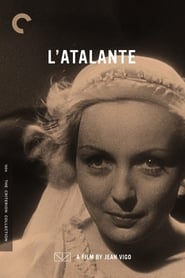
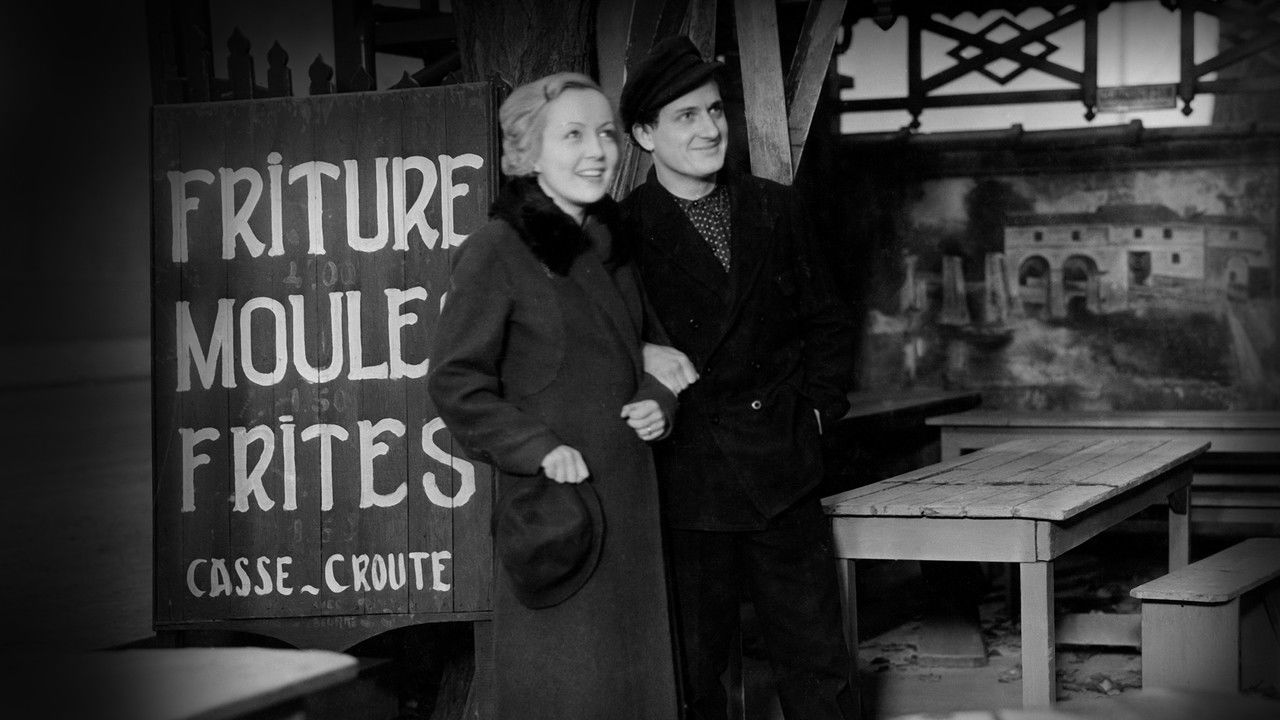
Newly married couple Juliette and ship captain Jean struggle through marriage as they travel on the L'Atalante along with the captain's first mate and a cabin boy.
Upon its initial 1934 release, L'Atalante faced a disastrous reception from distributors and generally poor reviews from critics, who called it "amateurish, self-indulgent and morbid". However, Élie Faure offered high praise for its visual artistry and spirit, and it has since been hailed by many as one of the greatest films of all time.
Jean Vigo initially wanted to make a film about French anarchist Eugène Dieudonné, but the project was dropped after his controversial short film Zero for Conduct was banned.
The film was produced for ₣1 million (FF 1 million) and secured a distribution deal with the Gaumont Film Company.
Director Jean Vigo, suffering from tuberculosis, was bedridden for portions of the filming, which was further hampered by harsh winter weather and ice in the canal.
To improve sound quality, Vigo made actor Michel Simon adopt the character trait of repeating questions due to his inarticulate speech and extensive dialogue.
L'Atalante became a favorite of the French New Wave filmmakers, whose works often contain allusions to Vigo's cinema, influencing directors like François Truffaut.
0 reviews
Avg: 0.0 / 5
Jean Pascal
Called the original cut "a confused, incoherent, willfully absurd, long, dull, commercially worthless film" after a preview screening.
Élie Faure
Praised the film's impeccable composition, visual drama, classical simplicity, and Vigo's passionate, imaginative, and humane spirit.
Critics (1934 release)
Upon its September 1934 release, the film received poor reviews, with critics calling it "amateurish, self-indulgent and morbid."
Loading reviews...