MC
Most Contemporary Critics
Panned for its perceived 'caviar aestheticism and loose morals,' which left most audiences confused or bored.
Loading...
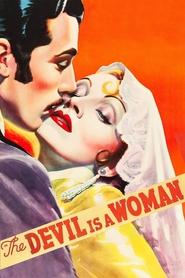
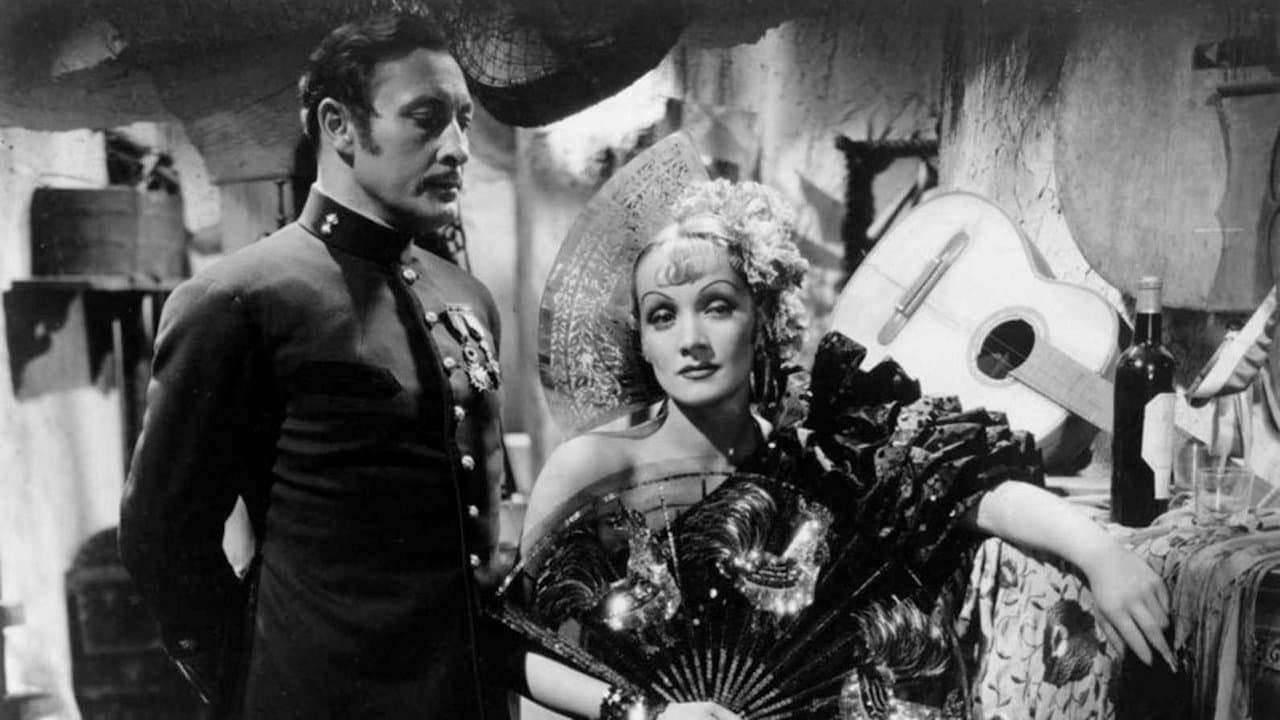
In the carnival in Spain in the beginning of the Twentieth Century, the exiled republican Antonio Galvan comes from Paris masquerade to enjoy the party and visit his friend Capt. Don Pasqual 'Pasqualito' Costelar. However, he flirts with the mysterious Concha Perez and they schedule to meet each other later. When Antonio meets Pasqualito, his old friend discloses his frustrated relationship with the promiscuous Concha and her greedy mother and how his life was ruined by his obsession for the beautiful demimondaine. Pasqualito makes Antonio promise that he would not see Concha. However, when Antonio meets Concha, she seduces him and the long friendship between Antonio and Pasqualito is disrupted
The Devil Is a Woman was a box-office failure, initially panned by many critics for its aesthetics and morals, and was banned in Spain. However, some critics lauded its sophistication and Marlene Dietrich's performance, while it also won an award for cinematography.

Marlene Dietrich
Concha Perez
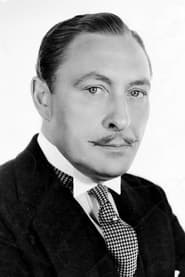
Lionel Atwill
Capt. Don Pasqual 'Pasqualito' Costelar

Edward Everett Horton
Gov. Don Paquito 'Paquitito'
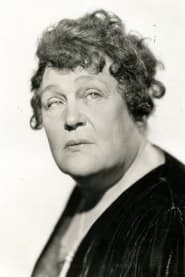
Alison Skipworth
Senora Perez
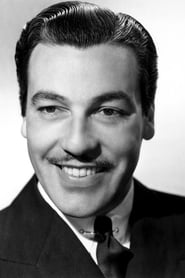
Cesar Romero
Antonio Galvan
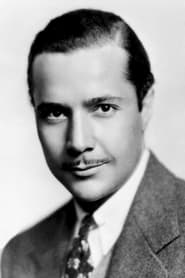
Don Alvarado
Morenito

Tempe Pigott
Tuerta (as Tempe Piggott)
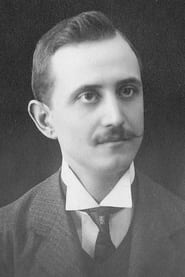
Francisco Moreno
Alphonso (as Paco Moreno)
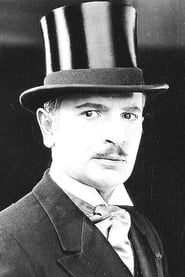
Max Barwyn
Pablo (uncredited)
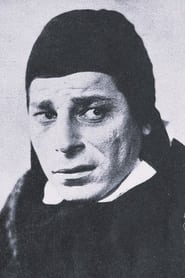
John George
Street Beggar (uncredited)
The Devil Is a Woman marks the last of the six Sternberg–Dietrich collaborations for Paramount Pictures.
Incoming production manager Ernst Lubitsch announced that director Josef von Sternberg's contract with Paramount would not be renewed following this film.
The film's original title proposed by Sternberg was Caprice Espagnol, but it was changed by production manager Ernst Lubitsch to The Devil Is a Woman.
Approximately 17 minutes of footage, including a musical number by Marlene Dietrich, was cut from the film, reducing its total running time to 79 minutes.
The film was presumed lost for a time until Josef von Sternberg provided a copy for a 1959 festival screening, leading to a limited re-release in 1961.
0 reviews
Avg: 0.0 / 5
Most Contemporary Critics
Panned for its perceived 'caviar aestheticism and loose morals,' which left most audiences confused or bored.
Andre Sennwald (The New York Times)
Defended the film, calling it 'one of the most sophisticated ever produced in America' and 'the best product of the Dietrich–Sternberg alliance.'
Andrew Sarris
Described it as the 'coldest' of Sternberg's films, with an 'uncompromising, yet humorously cynical, appraisal of romantic self-deception.'
Cecelia Ager (Variety)
Praised Dietrich's performance and costumes, stating she 'emerges as a glorious achievement, a supreme consolidation of the sartorial, make-up and photographic arts.'
Susan Sontag
Identified the film as a prime example of 'outrageous aestheticism' within von Sternberg's collaborations with Dietrich, embodying the 'Camp' aesthetic.
Loading reviews...