
TT
The New York Times
Felt Griffith was 'himself again' in the vivid scenes, but noted the predictable nature of suspense devices and rescue outcomes for seasoned spectators.
Loading...
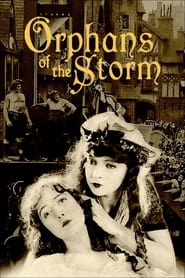
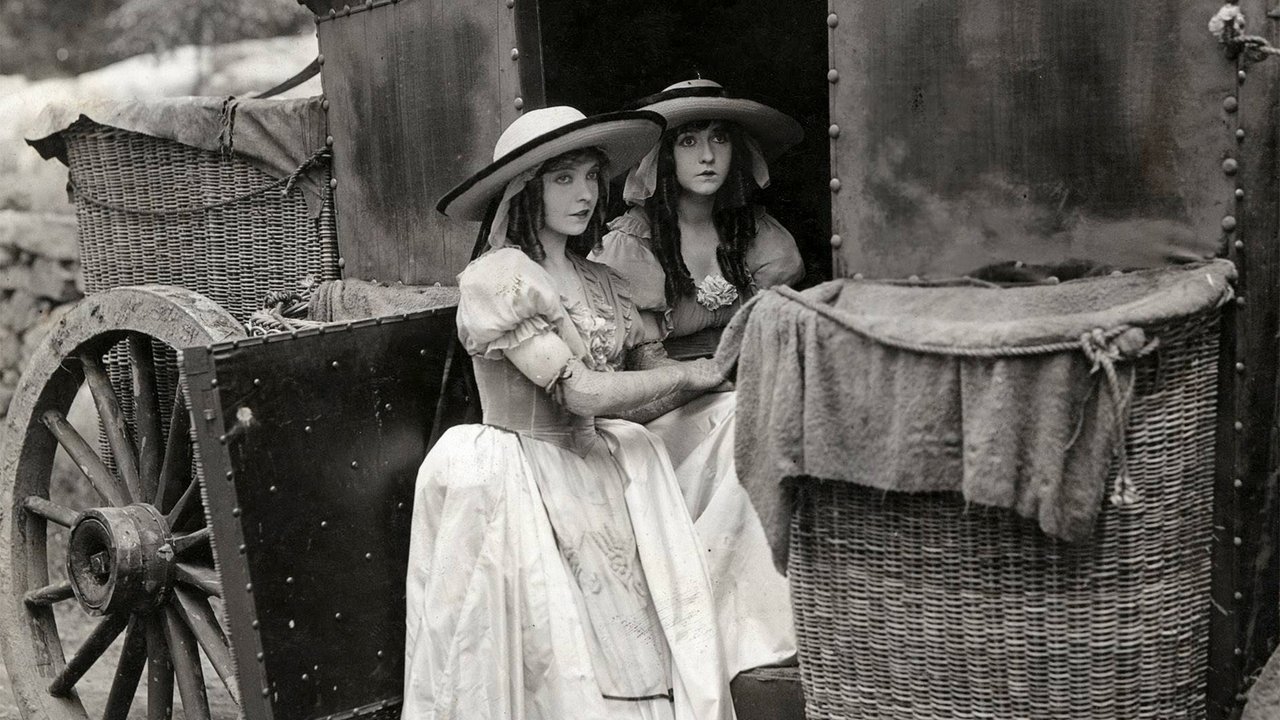
France, on the eve of the French Revolution. Henriette and Louise have been raised together as sisters. When the plague that takes their parents' lives causes Louise's blindness, they decide to travel to Paris in search of a cure, but they separate when a lustful aristocrat crosses their path.
Critical reception for "Orphans of the Storm" was mixed to generally positive. The New York Times acknowledged D.W. Griffith's return to form but noted predictable suspense, while Pauline Kael praised its epic scale and memorable sequences despite not considering it among Griffith's greatest works.
The film is based on the 1874 French play Les Deux Orphelines by Adolphe d'Ennery and Eugène Cormon.
Louis F. Gottschalk composed the original score for the 1921 cinematic release, while William P. Perry created an original piano score for a 1970s television showing.
The film had a production budget of $760,000.
Orphans of the Storm was the last D. W. Griffith film to feature both Lillian and Dorothy Gish.
Director D. W. Griffith used the historical setting of the French Revolution to comment on contemporary events and warn about the rise of Bolshevism.
0 reviews
Avg: 0.0 / 5
The New York Times
Felt Griffith was 'himself again' in the vivid scenes, but noted the predictable nature of suspense devices and rescue outcomes for seasoned spectators.
Pauline Kael
Described it as a 'marvellous, expensively produced mixture of melodrama and sentimentality' with 'theatrical sublimity,' though not one of Griffith's greatest films.
Loading reviews...