JR
Jonathan Rosenbaum of the Chicago Reader
Included the film in his unranked list of the best American films not included on the AFI Top 100, indicating high regard for its quality.
Loading...
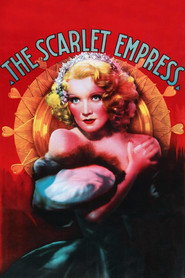
During the 18th century, German noblewoman Sophia Frederica, who would later become Catherine the Great, travels to Moscow to marry the dimwitted Grand Duke Peter, the heir to the Russian throne. Their arranged marriage proves to be loveless, and Catherine takes many lovers, including the handsome Count Alexei, and bears a son. When the unstable Peter eventually ascends to the throne, Catherine plots to oust him from power.
The film is generally viewed positively by modern critics, noted for its unique visual style, attentive lighting, and expressionist art design, despite taking substantial historical liberties. It has been recognized for its artistic merit and thematic depth.
Marlene Dietrich
Princess Sophia Frederica / Catherine II

John Lodge
Count Alexei

Sam Jaffe
Grand Duke Peter
Louise Dresser
Empress Elizabeth Petrovna

C. Aubrey Smith
Prince August
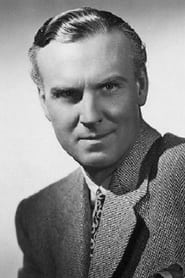
Gavin Gordon
Capt. Gregori Orloff
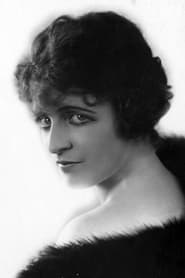
Olive Tell
Princess Johanna Elizabeth

Ruthelma Stevens
Countess Elizabeth 'Lizzie'

Davison Clark
Archimandrite Simeon Todorsky / Arch-Episcope
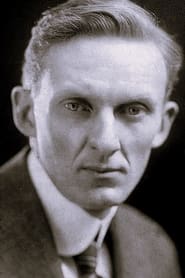
Erville Alderson
Chancelor Alexei Bestuchef
Dietrich's daughter Maria Riva plays Catherine as a child in The Scarlet Empress.
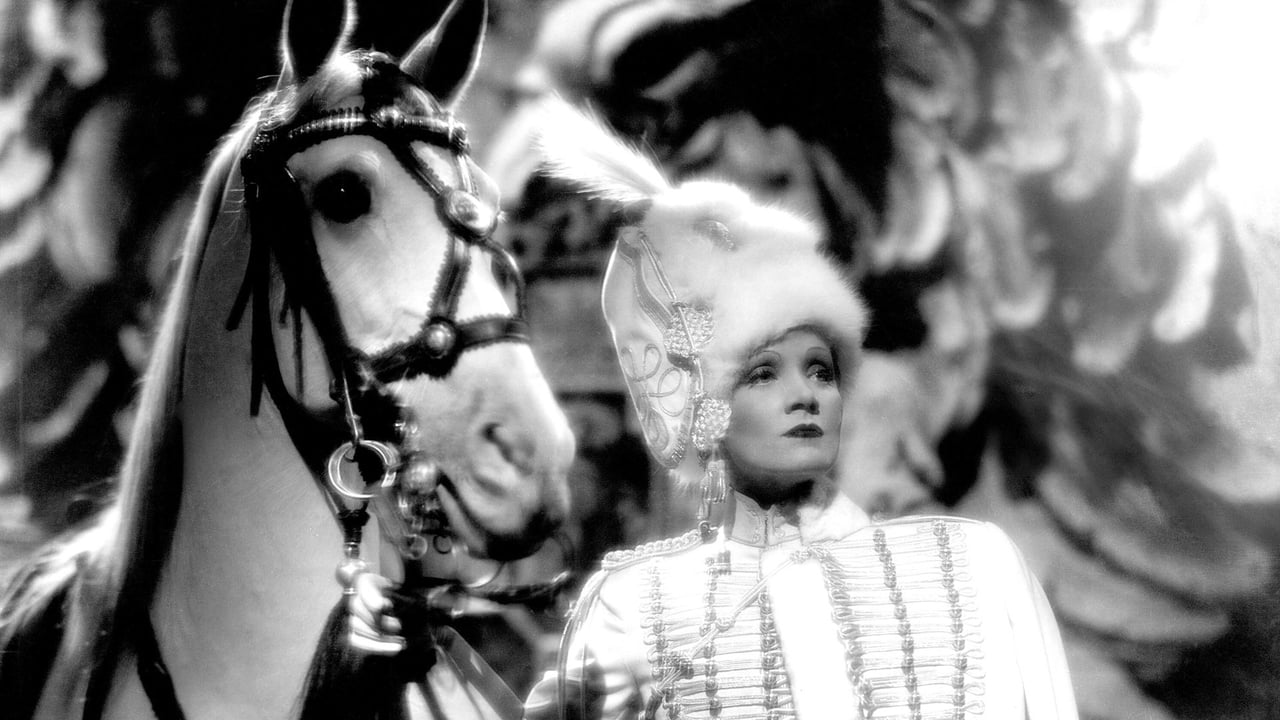
The film is particularly notable for its attentive lighting and the expressionist art design Josef von Sternberg created for the Russian palace.
Director Josef von Sternberg described The Scarlet Empress as "a relentless excursion into style," sacrificing historical accuracy for its aesthetic.
Pete Babusch from Switzerland created hundreds of gargoyle-like sculptures for the film, depicting male figures "crying, screaming, or in throes of misery."
The Scarlet Empress was one of the later mainstream Hollywood films released before the Hays Code was strictly enforced, featuring an explicit montage with brief shots of women with exposed breasts.
0 reviews
Avg: 0.0 / 5
Jonathan Rosenbaum of the Chicago Reader
Included the film in his unranked list of the best American films not included on the AFI Top 100, indicating high regard for its quality.
Leonard Maltin
Gave it three out of four stars, describing it as a "visual orgy" with stunning lighting and camerawork, despite being dramatically uneven.
Robin Wood (Criterion Collection)
Analyzed its themes within the Sternberg/Dietrich collaboration, noting its "extreme pessimism and bitterness" and how it gained intelligibility with radical feminism.
Dave Kehr (The New York Times)
Described the film, with its "metaphysical treatment" of the subject, as clearly superior to a contemporaneous film about Catherine the Great.
Alex von Tunzelmann (The Guardian)
Praised its "racy" entertainment value (B grade) but criticized its historical depth and accuracy (D- grade), dismissing much as directorial fantasy.
Loading reviews...