MP
Mark Adamo, The Washington Post
Impressed by Gish's tough, funny, and intuitive performance that transcends time, and Griffith's innovative cinematic style with artful shots and set pieces.
Loading...
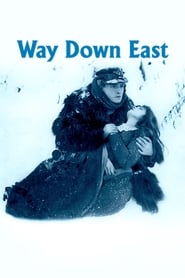
A naive country girl is tricked into a sham marriage by a wealthy womanizer, then must rebuild her life despite the taint of having borne a child out of wedlock.
D. W. Griffith's 'Way Down East' was a major commercial success, becoming one of the highest-grossing silent films. Critics praised Lillian Gish's performance and Griffith's innovative cinematic style, noting it as a less preachy and more effective work compared to some of his other films.
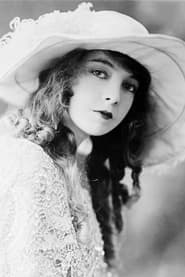
Lillian Gish
Anna Moore
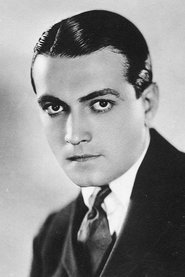
Richard Barthelmess
David Bartlett

Lowell Sherman
Lennox Sanderson
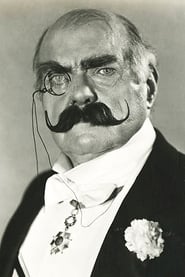
Burr McIntosh
Squire Bartlett
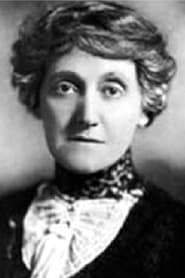
Kate Bruce
Mother Bartlett
Mrs. David Landau
Anna Moore's Mother
Josephine Bernard
Mrs. Emma Tremont
Mrs. Morgan Belmont
Diana Tremont
Patricia Fruen
Diana's Sister
Florence Short
The Eccentric Aunt
D. W. Griffith's film 'Way Down East' had a reported budget of $635,000 or $800,000 and grossed $7,500,000.
Original cast member Clarine Seymour died during production, leading to Mary Hay being recast and Seymour's scenes being reshot.
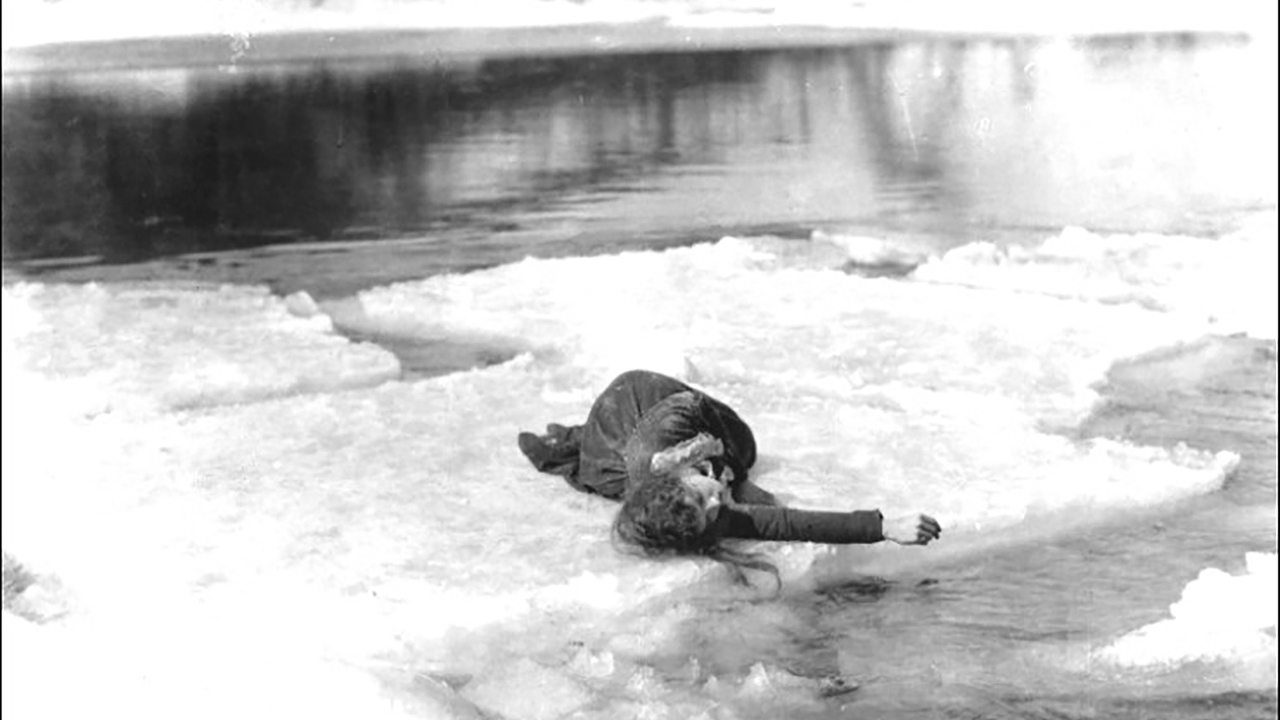
Lillian Gish suffered permanent impairment to her right hand after performing the ice-floe stunt herself in freezing water, as no stunt doubles were used.
To achieve the visual of a large drop, the long shot of the ice floes going over a waterfall was filmed at Niagara Falls, separate from the few-feet-high on-set waterfall.
For the iconic ice-floe scene, wooden ice floes were used for shots going over the waterfall, as the sequence was filmed out of season.
0 reviews
Avg: 0.0 / 5
Mark Adamo, The Washington Post
Impressed by Gish's tough, funny, and intuitive performance that transcends time, and Griffith's innovative cinematic style with artful shots and set pieces.
Edward Wagenknecht
Characterized the film as Griffith's most passionate tribute to the Christian home, suggesting a strong thematic success for the director.
Paul Brenner
Judged it one of Griffith's better, less preachy works, highlighting the director's greatness when his usual 'psychotic nuttiness' didn't overshadow the film.
Loading reviews...