

MT
Mordaunt Hall, The New York Times
Hall gave a very positive review, stating the film 'aroused so much excitement' and was 'far and away the most effective thing of its kind,' surpassing Dracula.
Loading...
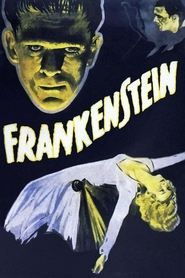
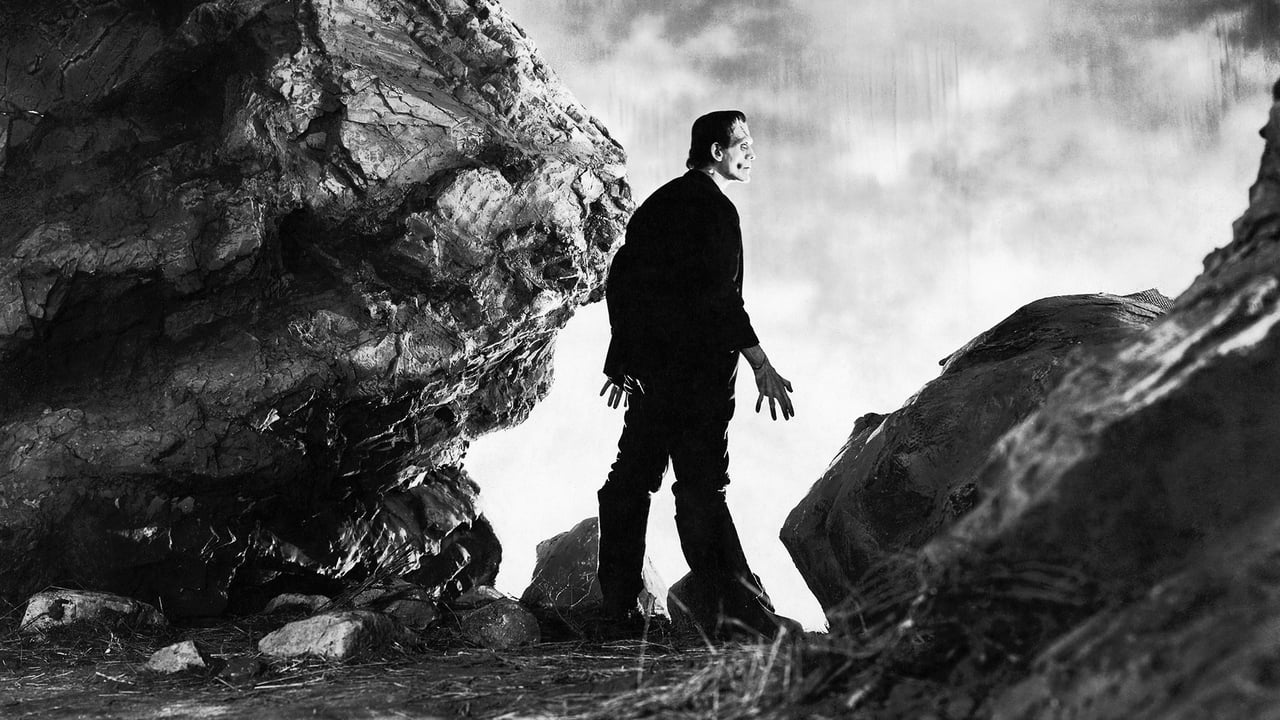
Henry Frankenstein pieces together body parts in the hope of bringing a human-like creature to life. The mad scientist’s dreams are shattered by his monstrous creation awakening with rage to a world that hates and fears him.
Upon its 1931 release, Frankenstein was a commercial success and generally well-received by critics and audiences. It continues to receive acclaim, widely regarded as one of the best films of 1931 and one of the greatest movies of all time.
Frankenstein had a budget of $262,007 and grossed $12 million, making it a significant commercial success upon its release.
The film's imagery of a maniacal 'mad' scientist with a hunchbacked assistant and its depiction of Frankenstein's monster have since become iconic.
In 1991, the United States Library of Congress selected Frankenstein for preservation in the National Film Registry for being culturally, historically, or aesthetically significant.
Bela Lugosi, initially considered for Henry Frankenstein, was expected to play the Monster but reportedly rejected the role, stating, "I was a star in my country and I will not be a scarecrow over here!"
Kenneth Strickfaden designed the electrical effects for the "creation scene," which were so successful they became an essential part of every subsequent Universal film involving Frankenstein's Monster.
0 reviews
Avg: 0.0 / 5
Mordaunt Hall, The New York Times
Hall gave a very positive review, stating the film 'aroused so much excitement' and was 'far and away the most effective thing of its kind,' surpassing Dracula.
Film Daily
Film Daily lauded the picture as a 'gruesome, chill-producing and exciting drama,' praising its intelligent production, lavishness, and superb photography.
Variety
Variety called it 'a Dracula plus' and 'a new peak in horror,' commending Karloff's 'fascinating' performance and the film's splendid photography and ingenious lighting.
John Mosher, The New Yorker
Mosher found it only a 'moderate success,' praising the monster's makeup but feeling the general fantasy lacked the vitality of Shelley's book.
Loading reviews...