TT
The New York Times
The 1921 review praised its "exceptional acting" and "expressive settings," comparing the latter to those in The Cabinet of Dr. Caligari.
Loading...

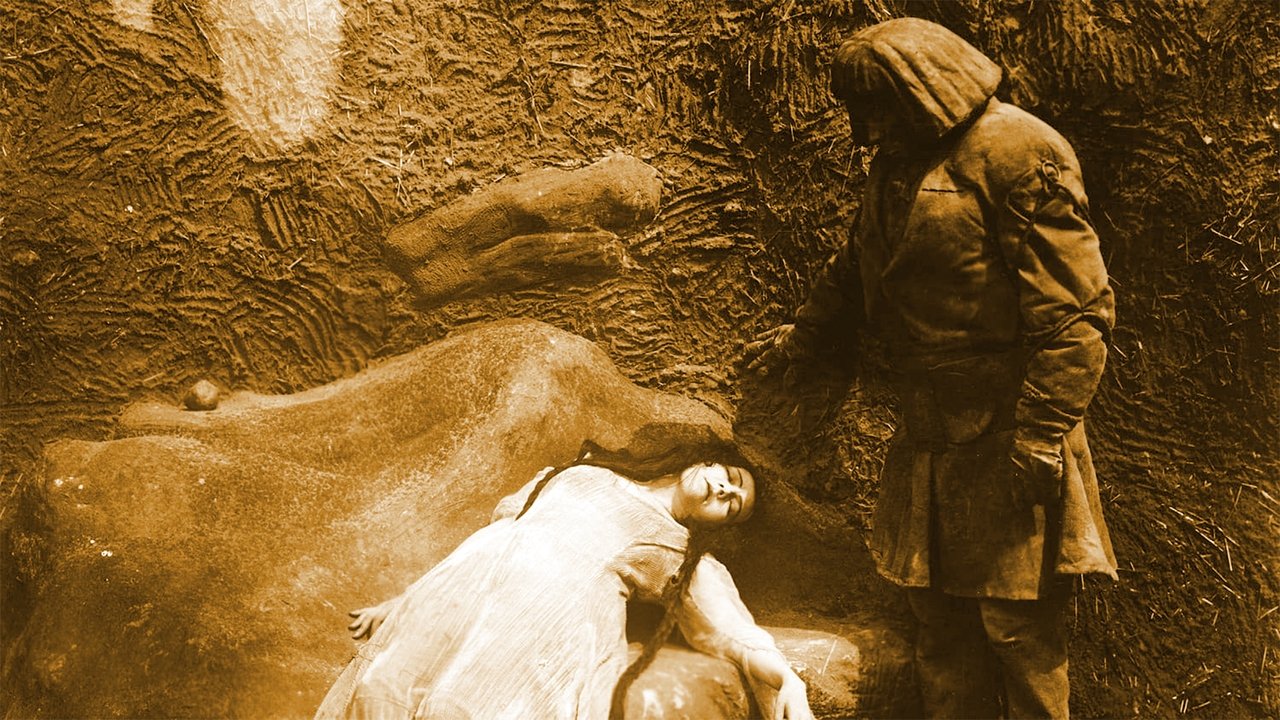
In 16th-century Prague, a rabbi creates the Golem - a giant creature made of clay. Using sorcery, he brings the creature to life in order to protect the Jews of Prague from persecution.
The Golem: How He Came into the World received a stellar reception in Germany upon its 1920 release, playing to full theaters for two months, and was equally popular in New York City in 1921, running for 16 consecutive weeks. Initial critical reception was positive, with reviewers praising its acting, settings, and visual style.
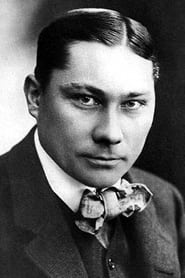
Paul Wegener
The Golem
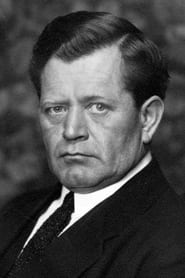
Albert Steinrück
Rabbi Loew

Lyda Salmonova
Miriam, the Rabbi's Daughter

Ernst Deutsch
Rabbi Famulus
Hans Stürm
Rabbi Jehuda, the Elder of the Community
Max Kronert
Temple Servant
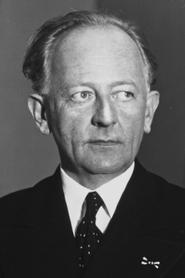
Otto Gebühr
Emperor
Dore Paetzold
Emperor's Concubine
Lothar Müthel
Knight Florian

Greta Schröder
Young Woman with Rose
Director Paul Wegener was unhappy with his 1915 film attempt due to compromises made during its production, prompting his 1920 version.
Wegener's 1920 film was an attempt to more directly convey the legend as he heard it told in Prague while filming The Student of Prague (1913).
In 1919, Wegener announced plans for "Alraune und der Golem," a film uniting two folklore characters, but it was almost certainly never made despite publicity.
Architect and designer Hans Poelzig created the film's scenery as a highly stylised interpretation of the medieval Jewish ghetto of Prague.
The Golem is considered an early classic in horror cinema and one of the first films to introduce the concept of the "man-made monster."
0 reviews
Avg: 0.0 / 5
The New York Times
The 1921 review praised its "exceptional acting" and "expressive settings," comparing the latter to those in The Cabinet of Dr. Caligari.
Leonard Maltin
Gave the film 3 1/2 out of 4 stars, calling it a "chilling, visually dazzling story of the supernatural" and a "classic of German Expressionist cinema."
Leslie Halliwell
Gave it three of four stars, stating it was "almost certainly the best" version of the story and influential on later Hollywood films, especially Frankenstein.
Dennis Schwartz from Ozus' World Movie Reviews
Rated the film a grade B+, praising its "powerful visuals" and identifying it as a "landmark of early German expressionism" and a precursor to Frankenstein films.
Loading reviews...