
TT
The New York Times
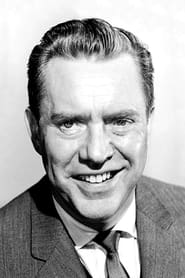
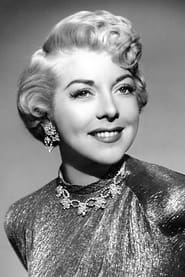
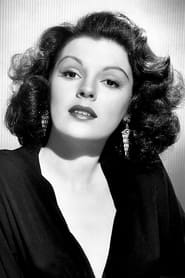
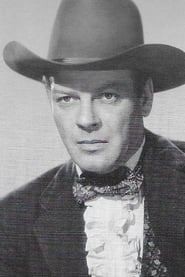
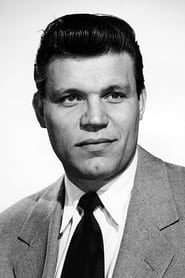
Initially described as a "fairly obvious and plodding recital," the review acknowledged Edmond O'Brien's "drive" and Pamela Britton's "pleasant attractiveness."
Loading...
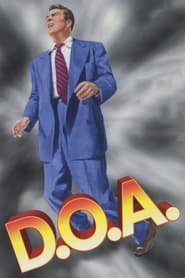
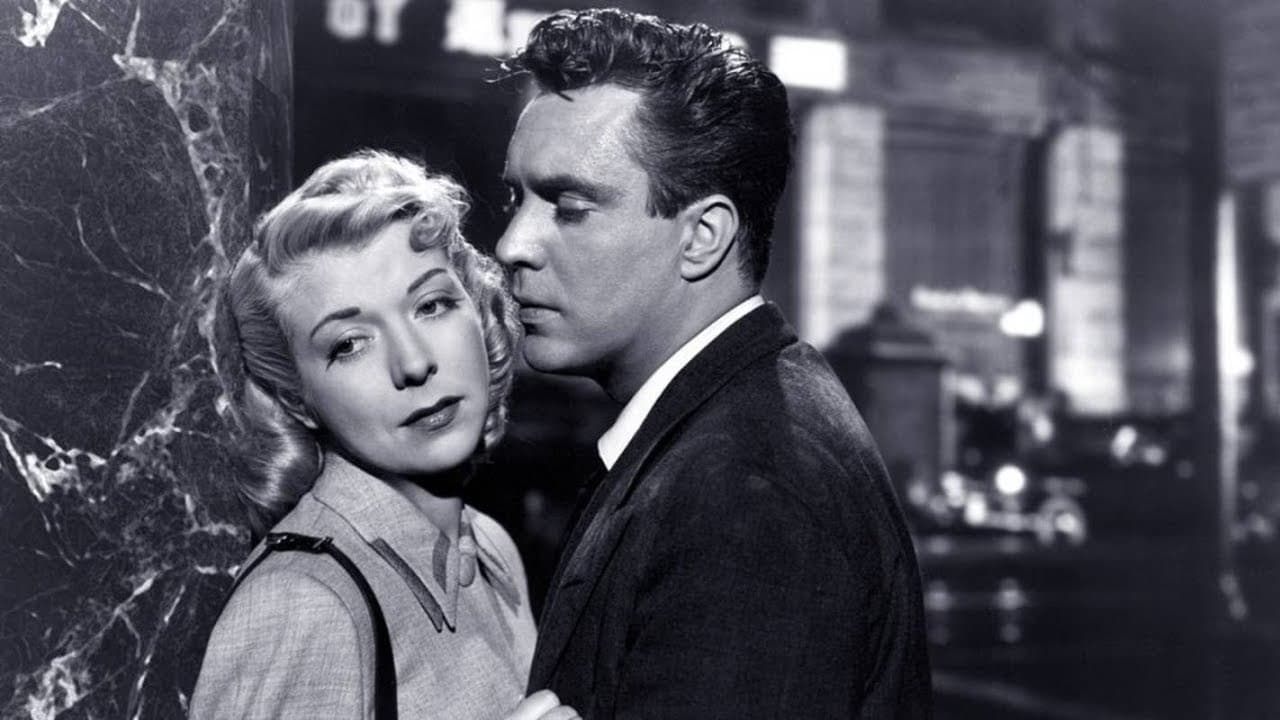
Frank Bigelow is about to die, and he knows it. The accountant has been poisoned and has only 24 hours before the lethal concoction kills him. Determined to find out who his murderer is, Frank, with the help of his assistant and girlfriend, Paula, begins to trace back over his last steps. As he frantically tries to unravel the mystery behind his own impending demise, his sleuthing leads him to a group of crooked businessmen and another murder.
The 1950 film noir *D.O.A.* maintains an 88% approval on Rotten Tomatoes and was selected for preservation in the National Film Registry. Initial reviews were mixed, noting a "plodding" pace, but later critics widely praised its innovative elements, technical mastery, and strong performances.
Due to a filing error, the copyright for D.O.A. was not renewed, causing it to fall into the public domain and leading to multiple remakes.
A shot of Edmond O'Brien running through San Francisco was a "stolen shot" taken without city permits, with confused pedestrians visibly bumping into him.
D.O.A. was selected for preservation in the United States National Film Registry by the Library of Congress in 2004 for being "culturally, historically, or aesthetically significant".
Despite the film showing a jazz quintet, the music director rerecorded the soundtrack with a big band, not the group seen on screen.
The Million Dollar Theater, owned by producer Harry Popkin and featured in D.O.A., later appeared in Ridley Scott's Blade Runner at the adjacent Bradbury Building.
0 reviews
Avg: 0.0 / 5
The New York Times
Initially described as a "fairly obvious and plodding recital," the review acknowledged Edmond O'Brien's "drive" and Pamela Britton's "pleasant attractiveness."
Foster Hirsch
Praised Bigelow's search for his killer as "noir irony at its blackest," describing it as the "triumph of his life" due to his forceful engagement.
A. K. Rode
Highlighted Rudolph Maté's photographic background, noting his expertise in capturing "lighting, locations, and atmosphere of brooding darkness."
David Wood (BBC)
Called the opening sequence "perhaps one of cinema's most innovative," praising its unique approach.
Eddie Muller
Observed the film's "live-action cartoon" energy, attributing Edmond O'Brien's "fever pitch" performance to director Rudolph Maté.
Michael Sragow (Salon)
Characterized the film as a "high-concept movie before its time," acknowledging its innovative premise.
Leonard Maltin's Movie Guide
Awarded the film 3½ stars out of 4, indicating strong approval for its cinematic qualities.
Loading reviews...