


V
Variety
Praised the general production, sets, and Anna May Wong's acting, but ultimately criticized the plot as being 'trite'.
Loading...
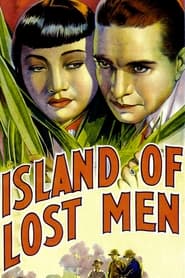
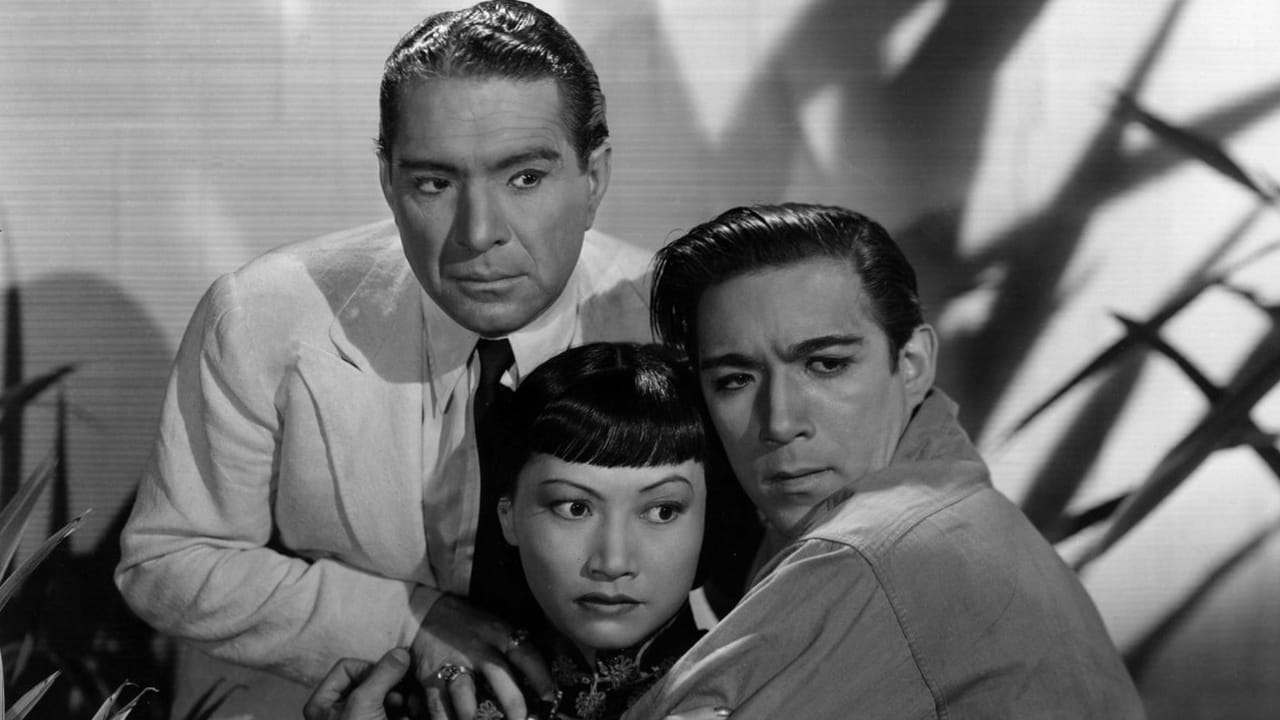
A Chinese general's daughter tracks her father to a slave-labor tyrant's jungle empire.
While the acting—particularly Anna May Wong's compelling performance and J. Carrol Naish's villainy—received praise, the film was largely let down by a trite script and unconvincing jungle sets that detracted from the noirish atmosphere.
The original title was slated to be 'Guns for China', but the U.S. State Department implored studios to avoid referencing the ongoing Second Sino-Japanese War, leading Paramount to rename it.
The film is a loose remake of the 1933 Paramount film 'White Woman', adapting similar jungle-set melodrama.
Production experienced cost overruns of approximately $25,000, primarily due to the complex and expensive jungle and river scenes.
Lead actress Anna May Wong received a salary of $6,000 with a $1,000 overtime bonus, whereas her co-star Anthony Quinn earned only $750.
This picture proved to be Anna May Wong's final film with Paramount Pictures.
0 reviews
Avg: 0.0 / 5
Variety
Praised the general production, sets, and Anna May Wong's acting, but ultimately criticized the plot as being 'trite'.
The New York Times, Frank S. Nugent
Harshly criticized the unbelievable jungle setting, noting it looked like a roadside hot dog stand was just out of frame.
Kinematograph Weekly
Was largely dismissive of the film as a whole, though appreciative of Wong's individual performance.
Loading reviews...