KJ
Kinema Junpo
Highly praised during its release for its delicate handling of the source material and its evocative portrayal of the Izu Peninsula.
Loading...
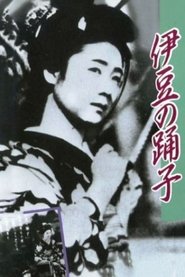
"The Dancing Girl of Izu" tells of the story between a young male student who is touring the Izu Peninsula and a family of traveling dancers he meets there, including their youngest girl. The student finds the naïve girl attractive even though he eventually has to part with the family after spending memorable time together.
A tender and lyrical silent classic, *The Dancing Girl of Izu* is celebrated for its faithful, sensitive adaptation of Yasunari Kawabata's story about fleeting youth and first love, elevated by Heinosuke Gosho's refined direction and Kinuyo Tanaka's star-making performance.
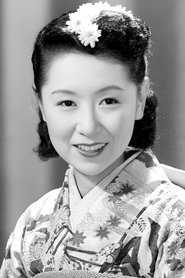
Kinuyo Tanaka
Kaoru, a dancer
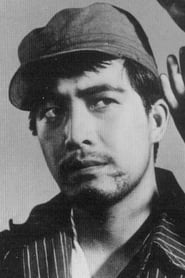
Den Obinata
Mizuhara, a student
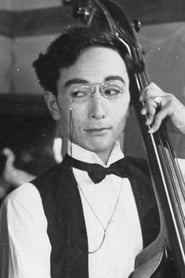
Tokuji Kobayashi
Eikichi, brother of Kaoru
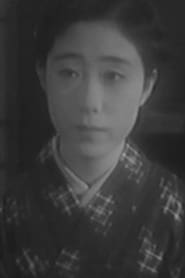
Kinuko Wakamizu
Chiyoko, the wife

Takeshi Sakamoto
Hattori
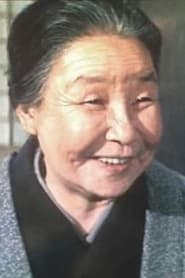
Chōko Iida
Geisha
Eiko Takamatsu
Otatsu, the mother
Shizue Hyōdō
Yuriko, an emplyee
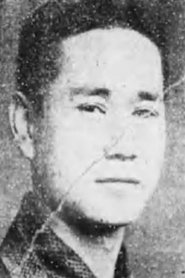
Jun Arai
Zenbei, master of 'Yukawarô'

Ryoichi Takeuchi
Ryûichi, the son
The film is a silent feature based on the beloved 1926 short story by Yasunari Kawabata, who would later become Japan's first Nobel Laureate in Literature.
Directed by Heinosuke Gosho, it is considered one of the most important early cinematic adaptations of Kawabata's work.
The film was a major breakthrough for actress Kinuyo Tanaka, who played the young dancer Kaoru, and established her as a prominent star in Japanese cinema.
Despite being produced in 1933 when sound films were becoming common, it was released as a silent film, often accompanied by live 'benshi' narrators in Japanese theaters.
The source material has been adapted into feature films at least six times in Japan, most notably starring legendary actresses like Hibari Misora (1954) and Momoe Yamaguchi (1974).
0 reviews
Avg: 0.0 / 5
Kinema Junpo
Highly praised during its release for its delicate handling of the source material and its evocative portrayal of the Izu Peninsula.
Alexander Jacoby, Critical Handbook of Japanese Film Directors
Noted Gosho's sensitive direction and the poignant lyrical quality of the film, establishing the director's skill with 'shomin-geki' (dramas about common people).
Loading reviews...
