




WH
William Randolph Hearst
Praised the film as the greatest he had ever seen.
Loading...
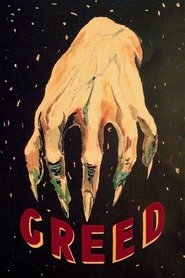
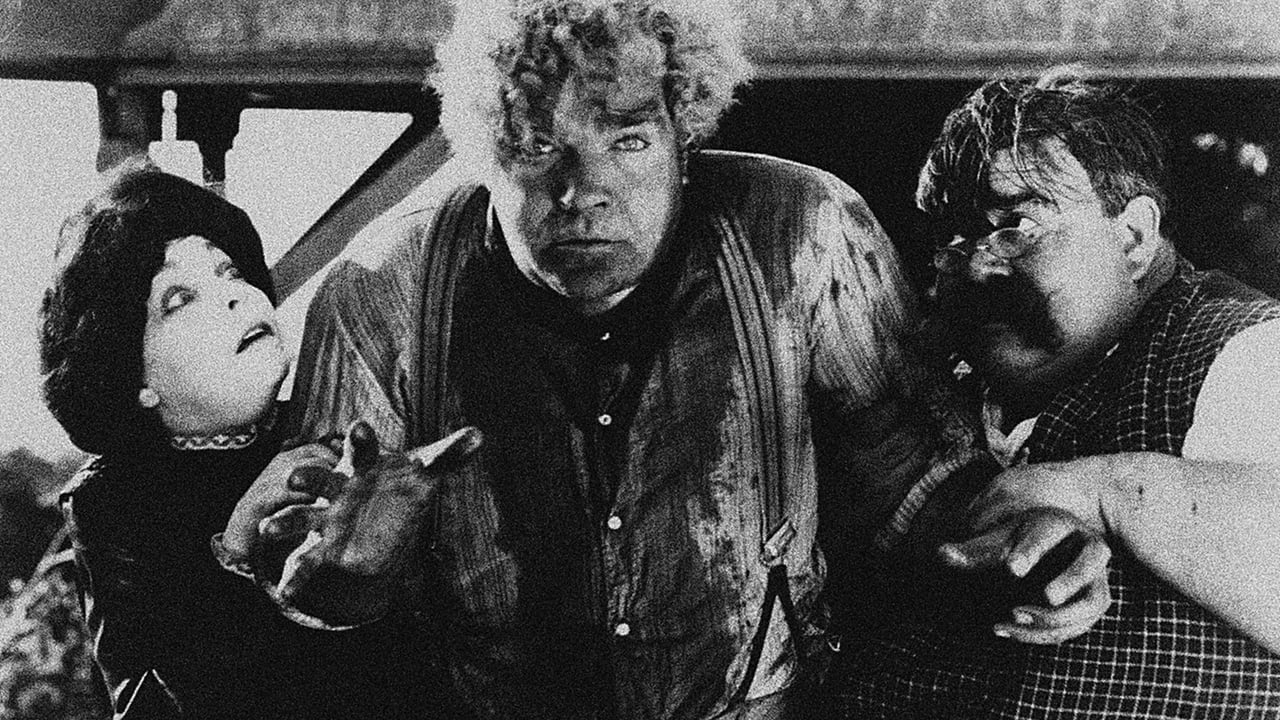
When housewife Trina wins the lottery, her comfortable life with her dentist husband John slowly deteriorates, in part by her own increasing paranoia and partly by the machinations of villainous acquaintance Marcus.
Initially, Greed garnered mostly negative critical reviews and was a significant financial disappointment upon its release. However, some critics recognized its artistic merit, stark realism, and powerful direction, leading to a mixed but often passionate reception.
The initial cut of "Greed" was over 9 hours long, resulting from 198 days of filming and 85 hours of raw footage.
Filming in Death Valley during July and August 1923 led to one cook dying of heatstroke and fourteen crew members becoming ill.
"Greed" is praised for its pioneering use of deep focus cinematography, appearing seventeen years before its more famous application in "Citizen Kane."
Director Erich von Stroheim insisted on no make-up for men and used real paint, glass, and white materials on sets for authenticity.
Despite the director's perfectionism, "Greed" contains anachronisms, with main characters in 1890s fashion while extras wore 1920s clothing.
0 reviews
Avg: 0.0 / 5
William Randolph Hearst
Praised the film as the greatest he had ever seen.
Harrison's Report
Deemed it the "filthiest, vilest, most putrid picture" in film history.
Variety Weekly
Labeled it a box office flop, morbid, and senseless from a commercial standpoint, despite acknowledging excellent acting and direction.
Exceptional Photoplays (Dec 1924 – Jan 1925)
Described it as an uncompromising film with brutality, stark realism, and sordidness, noting it was not intended to be pleasant.
Aileen St. John-Brenon, Theatre Magazine
Criticized the characters as types rather than living individuals, performing as "uncouth images of miserliness and repugnant animalism."
Mordaunt Hall, The New York Times
Gave a mostly positive review for acting and directing but criticized MGM's editing, wishing they had cut even more generously.
Robert E. Sherwood, Life Magazine
Defended MGM's editing, calling von Stroheim a genius but one "badly in need of a stopwatch."
Iris Barry, Museum of Modern Art
Disliked the film's tinting, describing it as "a not very pleasing yellow tinge... smudged in."
Pictureplay magazine (March 1925)
Suggested that an American director might not have interpreted greed as a vice, hinting at cultural differences in theme.
Richard Watts, Jr., The New York Herald Tribune
Hailed it as "the most important picture yet produced in America" and a work of dramatic art comparable to acclaimed stage plays.
The Montreal Gazette (April 20, 1925)
Described it as a powerful film with "masterly" direction, praising its remarkable character development and artistic use of cinema.
Exceptional Photoplays
Praised von Stroheim's stark realism, calling the film "a terrible and wonderful thing" akin to its source novel.
Loading reviews...